Togo
Destination

Togo

Togo

Solo Journeys to Togo

Togo, a slender West African nation nestled between Ghana to the west and Benin to the east, is a land of rich cultural heritage, diverse landscapes, and historical significance. Stretching from the Gulf of Guinea in the south to Burkina Faso in the north, Togo offers travelers a unique blend of coastal beauty, rolling savannas, and lush mountains.


A Glimpse into Togo's History
 
The region now known as Togo has been inhabited for centuries, with various ethnic groups settling between the 11th and 16th centuries. During the 16th to 18th centuries, the coastal area became a pivotal center for the Atlantic slave trade, earning it the moniker "The Slave Coast." In 1884, Germany established a protectorate over the area, naming it Togoland. Following World War I, the territory was divided between France and Britain, with French Togoland gaining independence in 1960 as the Togolese Republic. Today, Togo reflects a tapestry of its colonial past and indigenous traditions.
 
Cultural Mosaic
 
Togo is home to approximately 40 ethnic groups, each contributing to the nation's vibrant cultural landscape. The Ewe people dominate the southern regions, while the Kabye reside in the north. Traditional music, dance, and art are integral to Togolese culture. Visitors can experience the rhythmic beats of the talking drums, the intricate designs of Kente cloth, and the ceremonial dances that narrate stories of the land.
 
Natural Wonders
 
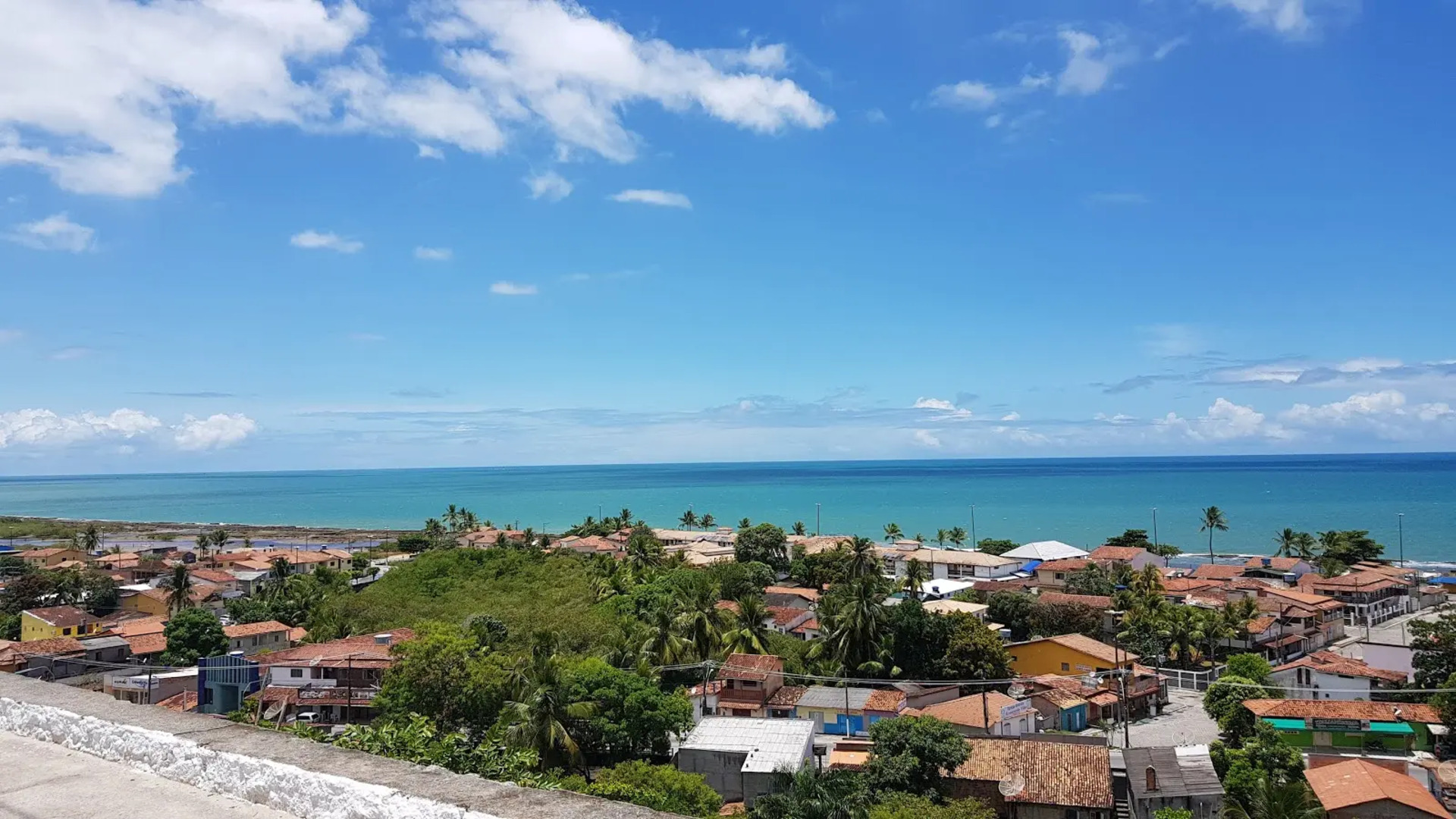
Despite its modest size, Togo boasts a variety of landscapes. The southern coastline features palm-fringed beaches and lagoons, with Lomé, the capital city, offering urban charm alongside coastal allure. The central region is characterized by the Togo Mountains, with Mount Agou standing as the highest peak at 986 meters. These mountains are ideal for hiking and provide panoramic views of the surrounding areas. In the north, the savannas and national parks, such as Kéran National Park, are sanctuaries for wildlife enthusiasts, offering glimpses of elephants, antelopes, and a plethora of bird species.
 
Historical Sites
 
Togo's history is etched into its landmarks. The Koutammakou landscape, a UNESCO World Heritage site, is home to the Batammariba people and their remarkable mud tower-houses, known as "Takienta." These structures are not only architectural feats but also hold cultural and spiritual significance. Additionally, the remnants of colonial forts along the coast serve as somber reminders of the nation's involvement in the trans-Atlantic slave trade.
 
Culinary Delights
 
Togolese cuisine is a delightful fusion of flavors, influenced by its diverse ethnic groups and colonial history. Staple foods include maize, millet, and cassava, often prepared as "pâte," a dough-like dish served with various sauces. Seafood is abundant along the coast, with dishes like grilled fish and "akoumé" being local favorites. Street food enthusiasts can savor "fufu," "koklo meme" (grilled chicken), and an array of tropical fruits that tantalize the taste buds.
 
Festivals and Traditions
 
Togo's calendar is adorned with festivals that celebrate its rich heritage. The Evala festival in the Kara region is a traditional wrestling event marking the initiation of young Kabye men into adulthood. The Gadao-Adossa festival in Sokodé showcases vibrant dances, masquerades, and rituals that reflect the community's ancestral traditions. Participating in these festivals offers travelers an immersive experience of the soul of Togolese society.
 
Adventure and Eco-Tourism
 
For the adventurous at heart, Togo presents opportunities for trekking, especially in the Plateaux region, where cascading waterfalls like Akloa and Tomegbe are nestled within verdant forests. Bird watchers can explore the wetlands near Lake Togo, home to diverse avian species. The country's commitment to preserving its natural habitats makes it a budding destination for eco-tourism.
 
Hospitality and Accommodation
 
Togolese hospitality is renowned, with locals eager to share their culture and traditions with visitors. Accommodation ranges from luxury hotels in Lomé to eco-lodges and guesthouses in rural areas, ensuring comfort for every type of traveler.
 
Travel Tips
 
Language: French is the official language, but indigenous languages like Ewe and Kabye are widely spoken.
 
Currency: The West African CFA franc (XOF) is the official currency.
 
Climate: Togo experiences a tropical climate with two main seasons. The rainy season occurs from April to October, with the heaviest rainfall between June and September. The dry season spans from November to March, characterized by the harmattan winds, which bring dry and dusty conditions.
 
Health: It's advisable to have vaccinations for yellow fever, hepatitis A, and typhoid. Malaria prophylaxis is recommended.
 
Transportation: While major roads are paved, some rural areas may have challenging terrains. Public transport includes buses and motorcycle taxis, known as "zemidjans.
Choose Your Journey

Togo Solo Tours

Find the perfect adventure for your travel style.

No tours available for this destination at the moment.

FAQs

  1. What are the top things to do in Togo?
    Togo offers a variety of activities for travelers seeking culture, history, and adventure. Here are the top five things to do:

    • Explore Koutammakou, the Land of the Batammariba: A UNESCO World Heritage site known for its traditional mud tower-houses and rich cultural heritage.

    • Visit Lomé: The vibrant capital city offers bustling markets like the Grand Marché and the famous Fetish Market for traditional medicine and crafts.

    • Hike in the Togo Mountains: Discover Mount Agou, the country's highest peak, or take scenic treks to waterfalls like Akloa and Tomegbe.

    • Relax on the beaches: Enjoy the pristine beaches of Aneho and Lomé, perfect for swimming, sunbathing, and experiencing the coastal lifestyle.

    • Explore National Parks: Visit Fazao-Malfakassa National Park or Kéran National Park to witness diverse wildlife, including elephants and antelopes, and experience the natural beauty of Togo.

  2. What is the best time to visit Togo?
    The best time to visit Togo is during the dry season, which runs from November to March. During this period, the weather is more pleasant, with less rainfall and clear skies, making it ideal for outdoor activities and exploration.

  3. What is Togo’s local cuisine like, and what dishes should I try?
    Togolese cuisine is a delightful mix of flavors influenced by local ingredients and traditions. Must-try dishes include:

    • Fufu: A starchy dish made from yam or cassava, often served with savory sauces.

    • Pâte: A dough-like staple made from maize or millet, accompanied by various spicy sauces.

    • Grilled fish: Freshly caught fish, seasoned and grilled to perfection, often served with rice or vegetables.

    • Koklo meme: Grilled chicken marinated with local spices.

    • Tropical fruits: Enjoy fresh pineapples, mangoes, and bananas.

  4. Is Togo safe for travelers?
    Togo is generally considered a safe destination for travelers. However, it’s advisable to exercise the usual precautions:

    • Avoid walking alone at night in unfamiliar areas.

    • Be cautious of petty theft in crowded places like markets.

    • Keep your valuables secure and avoid displaying large sums of money.

    • Stay updated on local news and follow the guidance of local authorities.

  5. What are the key cultural practices to know before visiting Togo?
    Togo is a culturally diverse nation, and respecting local customs is important. Here are some tips:

    • Dress modestly, especially when visiting rural areas or religious sites.

    • Greetings are significant; a handshake is common, often followed by asking about someone’s well-being.

    • Always ask for permission before photographing people or sacred sites.

    • Participate respectfully in local traditions and festivals, as they are deeply rooted in Togolese heritage.

    • Learn a few words in French, the official language, to show politeness and effort when communicating with locals.