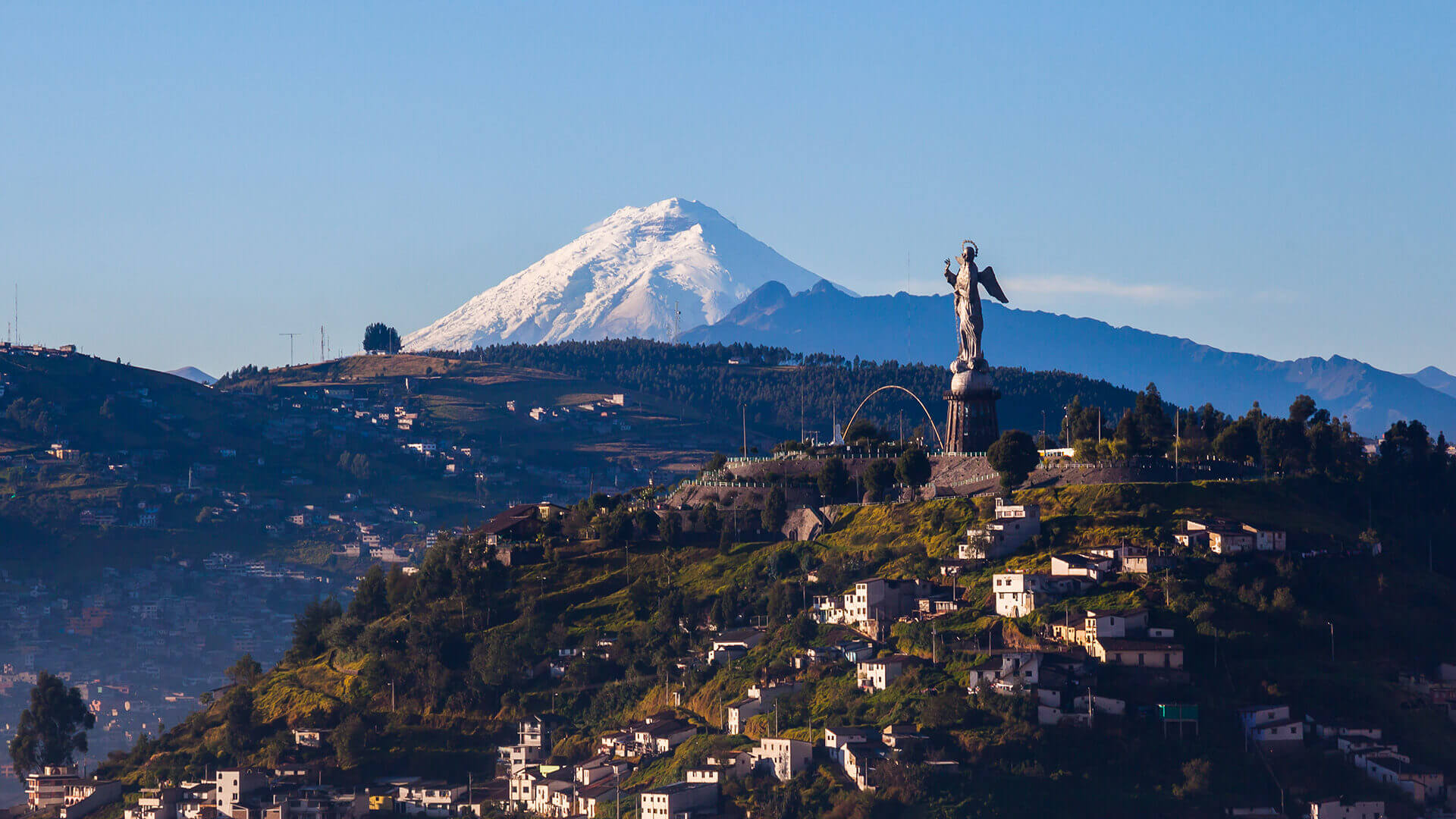
Ecuador
Ecuador is a country with incredible diversity. This South American gem has something to offer for all types of travelers. History buffs, nature fanatics, and lovers of architecture will marvel over t...
At a glance
-

Capital City
Quito -

Population
Approx. 18 million -

Currency
United States Dollar (USD) -

Language
Spanish (official); Quechua and Shuar are also spoken in some regions -

Time Zone
GMT -5 (Mainland Ecuador), GMT -6 (Galápagos Islands) -

Calling Code
+593 -

Electricity
Plug types A and B -

Avg Temperature (Winter and Summer)
Winter (Jun–Aug): 10°C–20°C (highlands), 20°C–28°C (coast & Amazon) Summer (Dec–Feb): 12°C–22°C (highlands), 24°C–30°C (coast & Galápagos)
Solo Journeys to Ecuador
Ecuador Tours – Your Gateway to Incredible Ecuador
About Ecuador
Discover Ecuador
Nestled on the equator, Ecuador is a land of astonishing contrasts—where snow-capped volcanoes tower above the Amazon rainforest, colonial charm blends with Indigenous traditions, and the iconic Galápagos Islands offer once-in-a-lifetime wildlife encounters. Whether you're wandering through the vibrant markets of Otavalo, hiking the Avenue of the Volcanoes, or enjoying the coast in Montañita, Ecuador tours reveal something unforgettable at every turn.
Travelers can choose from a wide range of Ecuador tour packages tailored for nature lovers, cultural explorers, and adventure seekers alike. From luxury cruises in the Galápagos to eco-lodges in the jungle, these packages make it easy to explore the country's incredible diversity.
Wondering about the best time to visit Ecuador? Thanks to its varied geography and year-round temperate climate, Ecuador is a destination for all seasons—though weather patterns and regional highlights can help you plan the perfect trip.
Top Destinations to Visit in Ecuador
- Galápagos Islands – A UNESCO World Heritage Site, the Galápagos Islands are famous for their extraordinary wildlife and natural beauty. Perfect for nature enthusiasts and adventure seekers, many Ecuador tours offer immersive experiences here.
- Quito – The capital city is a blend of colonial charm and modern vibrancy. Located high in the Andes, Quito boasts one of the best-preserved historic centres in Latin America.
- Cuenca – This picturesque city is known for its cobblestone streets, colonial architecture, and artistic vibe. Cuenca is often included in Ecuador travel packages for those seeking culture and tranquillity.
- Baños de Agua Santa – Famous for waterfalls, hot springs, and adventure sports like zip-lining and bungee jumping, Baños is a favourite for thrill-seekers.
- Otavalo – Renowned for its colourful indigenous market, Otavalo offers a deep dive into Ecuadorian culture and handicrafts.
- Cotopaxi National Park – Home to one of the world’s highest active volcanoes, Cotopaxi is a must-visit for hiking enthusiasts and photographers.
- Mindo Cloud Forest – Perfect for birdwatching, hiking, and nature walks, Mindo offers a peaceful retreat surrounded by rich biodiversity.
- Amazon Rainforest (Cuyabeno or Yasuni) – Explore the Amazon Basin with guided tours that take you deep into one of the world’s most vital ecosystems.
- Montañita – A lively beach town known for its surfing and nightlife, Montañita is ideal for those seeking sun and fun on the Pacific coast.
- Ingapirca Ruins – These ancient Inca ruins are the most significant archaeological site in Ecuador, offering a glimpse into the country’s pre-Columbian history.
Best Time to Visit Ecuador
The best time to travel to Ecuador depends on the region you plan to explore and the kind of experience you're seeking.
Summer (June to September) is considered the dry season in the highlands, including Quito and the Andes region, making it ideal for hiking, sightseeing, and outdoor adventures. With clear skies and cooler temperatures, this is the best time to visit places like Cotopaxi National Park, Cuenca, and Otavalo. It’s also a popular time for Ecuador tours focusing on the mountains and cultural heritage.
Winter (December to May) brings warmer temperatures and more rainfall in the highlands, but it's the sunniest season on the coast and the best time to travel to the Galápagos Islands. These months are perfect for beach lovers, water sports, and wildlife watching, especially in Montañita or the Amazon Rainforest. The lush landscapes during this period also make it a great time for photography and nature exploration.
Shoulder Months (October to November and April to May) offer a mix of both worlds—fewer tourists, mild weather, and more affordable Ecuador travel packages. These transitional months are perfect for travellers who want to avoid crowds while still enjoying good weather across various regions of Ecuador.
Overall, the best time to travel to Ecuador varies by destination, but the dry season from June to September is generally the most comfortable for highland adventures, while December to May is ideal for coastal and Galápagos travel. With its varied climate zones, Ecuador is a year-round destination—you just need to match your travel dates to your interests.
Named after the equator that the country straddles, Ecuador's small, traditional Andean communities live among its lush, green, tropical jungle and along its sultry Pacific coastline. Add the astounding Galapagos animals and landscapes to the mix and Ecuador offers not-to-be-missed adventures. From the largest indigenous market in South America, the first UNESCO world heritage site that is Quito's historic old town and one of the highest active volcanoes on Earth
Ecuador Solo Tours
Find the perfect adventure for your travel style.
No tours available for this destination at the moment.
Helpful Tips for a Safe and Enjoyable Ecuador Tour
- Stay Hydrated and Protect Against Altitude – Ecuador’s highlands, including cities like Quito and Cotopaxi, are located at high altitudes. It’s important to stay hydrated and take it easy the first couple of days to avoid altitude sickness. Drink plenty of water and consider drinking coca tea, which helps alleviate symptoms.
- Pack for Varying Climates – Due to Ecuador’s diverse geography, weather conditions can vary widely. Bring layers to accommodate both warm coastal temperatures and cooler highland weather. Don’t forget sunscreen, a hat, and a light rain jacket, especially for the Amazon and coastal regions.
- Use Insect Repellent – When traveling to the Amazon or other jungle areas, it’s essential to use insect repellent to protect against mosquitoes, which can carry diseases like malaria and dengue fever.
- Respect Local Customs – Ecuador is home to a rich indigenous culture. Be respectful when visiting local communities or markets. Always ask permission before taking photos of people, especially in rural areas, to ensure you are honoring their customs.
- Safety Precautions in Cities – While Ecuador is generally safe for tourists, it’s best to be cautious in crowded areas, particularly in cities like Guayaquil and Quito. Keep valuables out of sight, use reputable transportation services, and avoid walking alone at night.
- Learn Basic Spanish Phrases – Although many Ecuadorians speak some English, especially in tourist areas, learning a few basic Spanish phrases can enhance your experience and help you interact with locals in a more meaningful way.
- Book Tours with Reputable Operators – For a smooth and safe experience, book tours with established operators. This is especially important for excursions to remote areas like the Galápagos Islands, the Amazon, and Cotopaxi National Park.
- Take Precautions for Wildlife Encounters – Whether you’re visiting the Galápagos Islands or the Amazon, always follow the guidance of local guides regarding wildlife. Some animals, like sea lions or turtles, may appear friendly but can become aggressive if provoked.
- Bring Cash and a Credit Card – While major cities and tourist spots accept credit cards, smaller towns and remote areas may only accept cash. It’s a good idea to carry a mix of both, particularly for markets and rural accommodations.
- Travel Insurance – For peace of mind, especially when exploring remote or adventurous areas like the Amazon or volcanic landscapes, make sure you have comprehensive travel insurance that covers health, cancellations, and activities like hiking or rafting.
Top Activities to Try in Ecuador
- Hike to Cotopaxi Volcano – Conquer one of the highest active volcanoes in the world with a guided hike to the summit or a trek around the base, offering stunning views of the Andean landscape.
- Snorkel in the Galápagos Islands – Swim with sea lions, turtles, and vibrant marine life in the crystal-clear waters of the Galápagos Islands, a unique and unforgettable underwater experience.
- Visit the Amazon Rainforest – Take a guided tour through the Amazon to explore its rich biodiversity, visit indigenous communities, and see rare wildlife in their natural habitat.
- Explore the Avenue of Volcanoes – Travel along this scenic stretch of the Andes, which includes towering peaks like Chimborazo and Tungurahua, perfect for photography and outdoor adventures.
- Visit the Quilotoa Crater Lake – Trek around the stunning emerald-green crater lake, surrounded by dramatic mountain scenery and local villages, ideal for hiking and photography.
- Learn About Indigenous Culture in Otavalo – Visit the famous Otavalo Market, where you can buy handmade textiles, pottery, and jewelry, and immerse yourself in the vibrant local culture.
- Soak in Baños Hot Springs – Relax in the therapeutic hot springs of Baños, set amidst lush waterfalls and surrounded by a landscape of stunning natural beauty.
- Wildlife Watching in the Galápagos Islands – Experience up-close encounters with endemic wildlife like giant tortoises, marine iguanas, and unique bird species in their natural environment.
- Go White-Water Rafting in Baños – For adrenaline seekers, Baños offers exhilarating white-water rafting through the region’s rivers, surrounded by the majestic Andes.
- Walk Through Mindo Cloud Forest – Explore Ecuador’s cloud forest in Mindo, a biodiversity hotspot known for birdwatching, butterfly watching, and hiking through lush, misty landscapes.
Popular Restaurants in Ecuador
- Café Mosaico (Quito) – Known for its spectacular views of the city and delicious Ecuadorian and international cuisine, Café Mosaico is a favorite for both locals and tourists. Their seafood dishes and fresh juices are a must-try.
- La Ronda (Quito) – Located in the heart of the historic center, La Ronda offers a cozy atmosphere with a variety of traditional Ecuadorian dishes, including locro de papa (potato soup) and empanadas.
- Café de la Vaca (Cuenca) – This trendy café serves a mix of Ecuadorian and fusion dishes, with an emphasis on locally sourced ingredients. Their coffee and pastries are particularly popular.
- Mar & Tierra (Guayaquil) – A high-end restaurant offering a combination of fresh seafood and steak, Mar & Tierra is known for its exceptional service and a great place for fine dining with views of the Guayas River.
- Zazu (Quito) – A fine dining establishment offering contemporary Ecuadorian cuisine with a focus on local ingredients and innovative preparation techniques. Zazu is ideal for a special night out.
- La Casa de los Tiros (Cuenca) – This charming restaurant in Cuenca is known for its rich, flavorful traditional dishes like guinea pig and ceviche, served in a beautifully restored colonial house.
- La Playa (Montañita) – Situated near the beach, La Playa specializes in fresh seafood and tropical drinks. It’s a great spot for a laid-back meal with a view of the Pacific Ocean.
- El Salto del Cacao (Mindo) – An eco-friendly café in the cloud forests of Mindo, this restaurant offers organic, local meals with an emphasis on chocolate-based dishes and fresh, healthy options.
- Café del Teatro (Quito) – Located near the National Theater, Café del Teatro offers delicious Ecuadorian and international dishes, perfect for a relaxed meal after exploring the nearby cultural attractions.
- Oleo (Guayaquil) – Oleo blends international flavors with Ecuadorian ingredients, offering an upscale dining experience with inventive dishes and impeccable service, ideal for both business dinners and romantic evenings.
Cuisine Highlights in Ecuador
- Ceviche – A popular dish along the coast, ceviche is made with fresh seafood such as shrimp or fish marinated in citrus juices, often accompanied by crunchy popcorn, plantain chips, or rice.
- Locro de Papa – A hearty potato soup commonly enjoyed in the Andean highlands, this dish is made with potatoes, cheese, avocado, and a rich broth, often served with a side of hot sauce.
- Encebollado – A traditional fish stew made with tuna, yuca (cassava), onions, and tomatoes. It’s typically eaten as a breakfast or lunch dish and is known for its rich, flavorful broth.
- Fanesca – A special dish served during Easter, fanesca is a thick soup made with grains, beans, squash, and codfish. It’s a symbol of Ecuadorian tradition and is enjoyed by families across the country.
- Hornado – A slow-roasted pork dish, often served with hominy (mote), potatoes, and plantains. This dish is a classic in the Andean region and is commonly found at local markets.
- Seco de Pollo – A flavorful chicken stew cooked with beer, garlic, cilantro, and a variety of spices, typically served with rice, avocado, and fried plantains.
- Empanadas – Ecuadorians enjoy empanadas in a variety of ways, from savory ones filled with cheese, meat, or vegetables to sweet versions filled with sugar and fruit.
- Cuy (Guinea Pig) – A traditional delicacy in Ecuador, particularly in the Andean highlands, cuy is roasted or fried and served with potatoes or corn. It is often considered a celebratory dish.
- Tigrillo – A traditional breakfast dish made with scrambled eggs, plantains, cheese, and sometimes sausage, tigrillo is hearty, flavorful, and energizing for the day ahead.
- Morocho – A sweet, thick beverage made from hominy corn, milk, sugar, and spices, often served as a dessert or a warm drink in colder months.
Festivals and Events in Ecuador
- Carnival (February or March) – Celebrated nationwide, Carnival in Ecuador is a colorful festival marked by parades, music, dancing, and water fights. Cities like Guaranda and Ambato are famous for their vibrant Carnival celebrations.
- Inti Raymi (June 21st) – A traditional Incan festival celebrated in the Andean highlands, Inti Raymi honors the Sun God. It’s marked by rituals, dances, and ceremonies, especially in cities like Quito and Otavalo.
- Fiestas de la Mama Negra (November) – Held in Latacunga, this festival honors the Virgin of Mercy with a blend of indigenous, African, and Catholic traditions. It includes parades, colorful costumes, dancing, and music.
- Semana Santa (Holy Week, March or April) – One of the most significant religious festivals in Ecuador, Semana Santa is celebrated across the country, with processions, religious ceremonies, and elaborate displays in cities like Quito and Cuenca.
- Fiesta de la Virgen del Cisne (August) – This religious festival in Loja honors the Virgin of Cisne with a grand procession, where pilgrims walk hundreds of kilometers to the city, carrying the Virgin’s statue. It’s one of the most important events in the southern highlands.
- La Diablada de Pillaro (January) – Held in the town of Pillaro, this festival features people dressed as devil-like characters, dancing and celebrating in the streets. It’s a unique blend of indigenous and Spanish traditions.
- Festival Internacional de Artes Vivas (Cuenca, November) – A month-long celebration of performing arts, this festival features theater, dance, and music performances from both local and international artists, transforming Cuenca into a vibrant cultural hub.
- Fiestas de Quito (December 6th) – Quito’s annual birthday celebrations are marked by concerts, bullfights, parades, and cultural events that honor the founding of the city. It’s a lively and exciting time to visit the capital.
- Festival de la Raza (Guayaquil, October) – Guayaquil’s Festival of the Race celebrates Ecuadorian culture with music, food, dancing, and a parade. It’s a celebration of the country’s heritage and a great opportunity to experience coastal Ecuadorian traditions.
- Pase del Niño Viajero (Cuenca, December 24th) – A beloved Christmas tradition in Cuenca, this parade features children dressed as angels, shepherds, and other biblical figures, along with folkloric dances and performances celebrating the Christmas story.
Other Popular Places to Visit
- Loja – Often called Ecuador’s music and cultural capital, Loja is a charming Andean city with a relaxed vibe, colonial architecture, and a rich arts scene. It’s also a gateway to Podocarpus National Park.
- Vilcabamba – Known as the “Valley of Longevity,” this peaceful town attracts visitors with its stunning natural beauty and reputation for healthy living. It’s perfect for wellness retreats and hiking.
- Salinas – A favorite beach destination on the Pacific coast, Salinas is ideal for those looking to unwind by the sea, enjoy water sports, or sample fresh seafood in a relaxed setting.
- Alausí – This small mountain town is famous for the scenic Devil’s Nose Train Ride, a thrilling railway journey through the Andes with dramatic views and hairpin turns.
- Papallacta – Nestled high in the Andes, Papallacta is known for its thermal hot springs and breathtaking views of the surrounding mountains. It's a perfect stop for relaxation after exploring nearby natural reserves.
- Cajas National Park – Located near Cuenca, this high-altitude park features stunning lagoons, rugged terrain, and diverse wildlife, making it a paradise for trekkers and photographers.
- Tena – A gateway to the Amazon rainforest, Tena is known for river rafting, jungle lodges, and rich cultural experiences with local communities.
- Puerto López – A coastal town famous for whale watching (June–September), Puerto López is also the jumping-off point to Machalilla National Park and the beautiful Isla de la Plata.
- Riobamba – Located at the foot of Chimborazo (Ecuador’s highest mountain), Riobamba offers mountaineering adventures, Andean culture, and proximity to railway routes and national parks.
- Zaruma – A hidden gem in southern Ecuador, Zaruma is a historic mining town with narrow, colorful streets, traditional architecture, and a relaxed pace of life.
Why Choose Indus Travel?
At Indus Travel, we specialize in creating unforgettable journeys through Ecuador that balance adventure, culture, and comfort. Our expert-designed itineraries take you beyond the usual tourist spots and into the heart of the country—whether it's exploring Andean villages, relaxing in natural hot springs, or navigating the lush Amazon basin. With local guides, handpicked accommodations, and seamless logistics, you can focus on enjoying the experience without the stress of planning. From solo explorers to families and couples, our tours cater to all travel styles. If you're looking for expertly curated Ecuador group tours, Indus Travel ensures every moment is filled with discovery and delight.
FAQs
1. Do I need a visa to travel to Ecuador?
Most travelers from the U.S., Canada, and the EU can enter Ecuador visa-free for up to 90 days. However, it’s always best to check your country’s current entry requirements before traveling.
2. What is the best time to visit Ecuador?
Ecuador is a year-round destination, but the dry season (June to September) is ideal for the Andes and the Amazon, while the Galápagos are great to visit from December to May for calmer seas and clearer skies.
3. Is English widely spoken in Ecuador?
Spanish is the official language, but English is commonly spoken in tourist areas, hotels, and by guides. Learning a few basic Spanish phrases can enhance your travel experience.
4. What currency is used in Ecuador?
Ecuador uses the U.S. Dollar (USD), making it convenient for American travelers. Small bills and coins are best for daily purchases.
5. Is Ecuador safe for tourists?
Yes, Ecuador is generally safe for tourists, especially in popular areas. As with any destination, it's important to stay aware of your surroundings and take standard precautions.
6. What should I pack for an Ecuador tour?
Pack layers! The climate can vary widely depending on the region—light clothing for the coast and Amazon, and warmer layers for the Andes. Don’t forget comfortable shoes, sunscreen, and insect repellent.
7. Are vaccinations required to visit Ecuador?
No mandatory vaccinations are required for most travelers, but it’s recommended to have routine vaccines up to date. For Amazon visits, a yellow fever vaccine is often advised.
8. Can I use credit cards in Ecuador?
Credit cards are accepted in most hotels, restaurants, and shops in major cities. However, it’s wise to carry cash in smaller towns or rural areas.
9. Is tipping expected in Ecuador?
Tipping is appreciated but not mandatory. A 10% service charge is often added to restaurant bills. You can tip guides, drivers, and hotel staff based on service quality.
10. Can I drink tap water in Ecuador?
It’s generally not recommended to drink tap water. Stick to bottled or filtered water, which is widely available.
11. Are there altitude concerns in Ecuador?
Yes, places like Quito and Cotopaxi are at high altitudes. It's common to feel mild symptoms of altitude sickness. Acclimate gradually, stay hydrated, and avoid strenuous activity for the first day or two.
12. Do cell phones and Wi-Fi work in Ecuador?
Wi-Fi is widely available in hotels and cafes in cities. You can also buy a local SIM card or international roaming plan for better coverage.
13. Can I use drones in Ecuador?
Recreational drone use is allowed but regulated. For national parks and protected areas, special permits are required. Always check local regulations before flying.
14. What kind of food can I expect in Ecuador?
Ecuadorian cuisine varies by region but commonly includes fresh seafood, tropical fruits, corn, and potatoes. Popular dishes include ceviche, locro (potato soup), and empanadas.
15. Are there any cultural customs I should be aware of?
Ecuadorians are generally warm and polite. It’s respectful to greet people with a handshake or friendly “Buenos días,” and modest dress is recommended in churches and indigenous communities.