Kenya
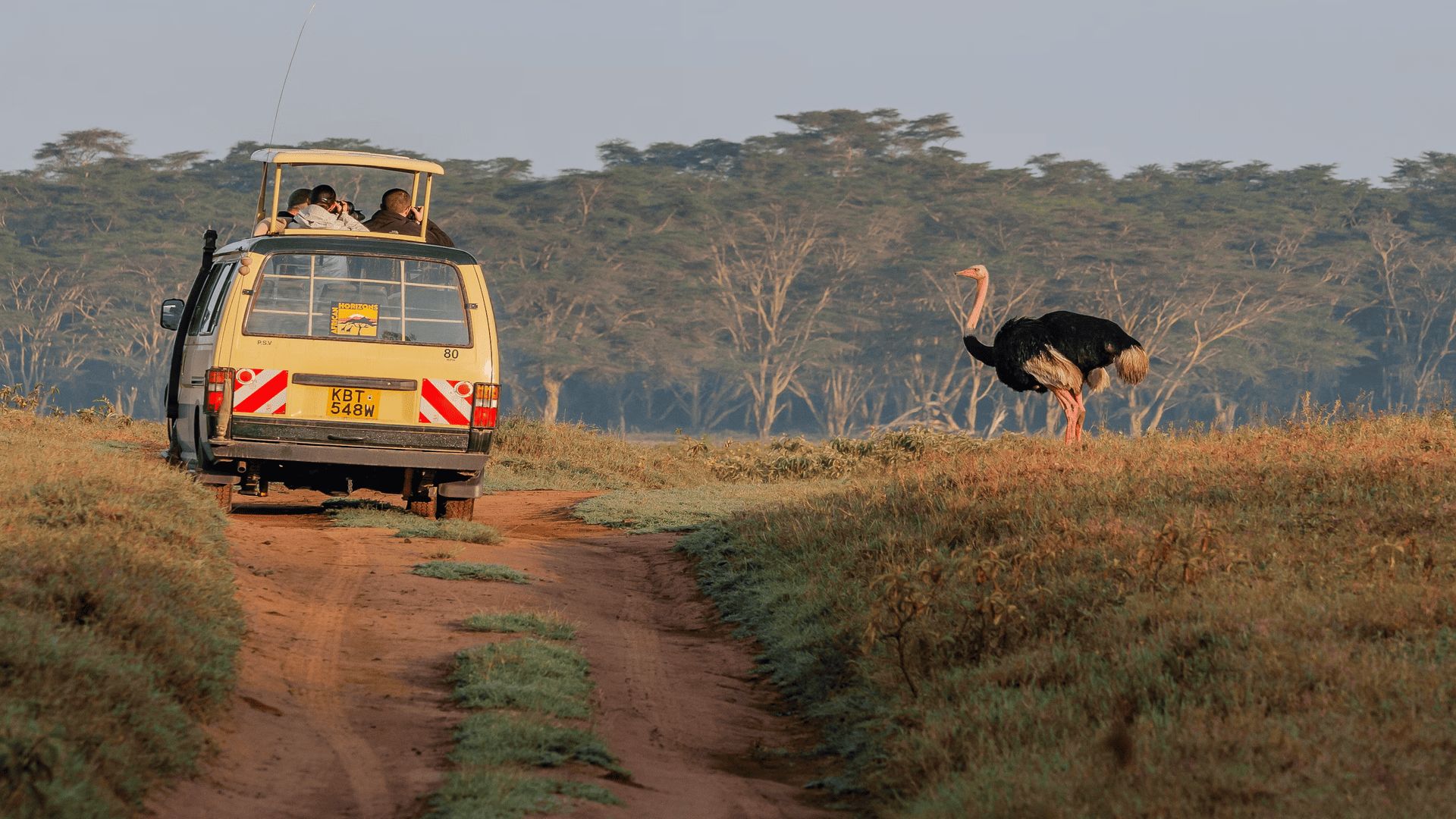
Discover the most beautiful landscapes and magnificent scenery in Africa. Kenya is the perfect place to head on a breathtaking game drive with a safari vehicle. Visit savannas overflowing with wildlif...
At a glance
-

Capital City
Nairobi -

Population
Approximately 54 million -

Currency
Kenyan Shilling (KES) -

Language
Swahili and English (both official) -

Time Zone
East Africa Time (EAT), GMT +3 -

Calling Code
+254 -

Electricity
Type G plug -

Avg Temperature (Winter and Summer)
Winter (June–August): 10°C to 23°C (50°F to 73°F), Summer (December–February): 16°C to 28°C (60°F to 82°F)
Solo Journeys to Kenya
Kenya Tours – Your Gateway to Incredible Kenya
About Kenya
Discover Kenya
From the sweeping savannas of the Maasai Mara to the white-sand beaches of Diani, Kenya is one of Africa’s most captivating travel destinations. A haven for wildlife lovers, adventure seekers, and cultural explorers, it offers unforgettable experiences — whether you're watching the Great Migration or engaging with local communities. Kenya is incredibly solo-travel friendly, with well-established tourist circuits, experienced guides, and warm hospitality that makes you feel at home.
Nature takes center stage on most kenya tours, where you'll encounter elephants in Amboseli, flamingos in Lake Nakuru, and the "Big Five" in vast national parks. But the country is not just about safaris — coastal retreats, ancient Swahili towns, and breathtaking landscapes add diversity to your journey. Whether you're looking for a group adventure or something more intimate, you’ll find plenty of kenya tour packages tailored to your interests and comfort level.
Ready for an unforgettable journey? Kenya is calling.
Top Destinations to Visit in Kenya
If you’re traveling to Kenya, prepare to be captivated by its mix of wildlife, landscapes, and vibrant cultures. Here are the best places to visit in Kenya:
- Maasai Mara National Reserve: Famous for the Great Wildebeest Migration and Big Five sightings, this reserve is a top safari destination and home to the Maasai people’s rich heritage.
- Amboseli National Park: Known for close-up views of free-roaming elephants and stunning backdrops of Mount Kilimanjaro, it’s a photographer’s dream.
- Lake Nakuru National Park: A haven for flamingos and endangered rhinos, this park offers beautiful scenery and great birdwatching opportunities.
- Samburu National Reserve: A remote and less-visited park known for rare wildlife species like the Grevy’s zebra and reticulated giraffe, perfect for off-the-beaten-path safaris.
- Diani Beach: A pristine coastline with white sand and coral reefs, Diani is ideal for relaxing, snorkeling, or kitesurfing in the Indian Ocean.
- Lamu Island: This UNESCO World Heritage Site offers an authentic Swahili experience with traditional dhow boats, narrow alleyways, and no cars in sight.
- Mount Kenya National Park: Adventurous travelers can trek this snow-capped mountain, explore alpine forests, and spot wildlife in Kenya’s central highlands.
- Hell’s Gate National Park: Unique for allowing walking and cycling safaris, this dramatic park features gorges, cliffs, and geothermal activity.
- Nairobi: Kenya’s bustling capital offers urban comforts and nature in one place—don’t miss the Giraffe Centre, Nairobi National Park, and vibrant local markets.
- Tsavo East & West National Parks: Covering vast swathes of wilderness, Tsavo offers rugged terrain, red elephants, lava flows, and stunning vistas with fewer tourists.
Best Time to Visit Kenya
The best time to visit Kenya largely depends on what you want to experience. For safari enthusiasts, the dry seasons from June to October and January to February offer the clearest game-viewing opportunities, with animals gathering around water sources and vegetation at its thinnest. July to September is ideal for witnessing the Great Wildebeest Migration in the Maasai Mara.
For those interested in coastal escapes or cultural tours, Kenya’s warm climate makes it suitable to visit year-round, though the beaches are especially pleasant from December to March. While the rainy seasons (March–May and November) can limit travel in some regions, they also bring lush scenery and fewer crowds. Overall, the best time to travel to Kenya is during the dry months when wildlife spotting and accessibility are at their peak.
Lying astride the equator on the eastern coast of Africa, offers guests a multi-sensory adventure. The country boasts incredible national parks and some of the best wildlife viewing opportunities in the world. But what often surprises travelers is its tremendous topographical diversity; glaciated mountains with snow-capped peaks, the famous Rift Valley with its scarps and volcanoes, flat desert landscapes and coral reefs and islets.
Kenya Solo Tours
Find the perfect adventure for your travel style.
No tours available for this destination at the moment.
Helpful Tips for a Safe and Enjoyable Kenya Tour
Traveling to Kenya with Indus Travels can be one of the most rewarding experiences, especially when you’re well-prepared. Here are some essential tips while visiting Kenya.
- Stay informed about local conditions before and during your trip by checking travel advisories and local news.
- Hire a reputable local guide or join an organized tour to ensure a smoother, more secure experience.
- Keep your documents and valuables secure, ideally in a money belt or locked hotel safe.
- Drink bottled water only and be mindful of street food to avoid health issues.
- Pack appropriately for the weather and regions you're visiting—light clothing for the coast, warm layers for highlands, and neutral colors for safaris.
- Respect local customs and dress codes, especially when visiting rural villages or religious sites.
- Be cautious with wildlife, maintaining a safe distance and always following your guide’s instructions on safari.
Planning your Kenya travel itinerary in advance—covering top national parks, cultural experiences, and beach getaways—can help you make the most of your adventure while staying safe and stress-free.
Top Activities to Try in Kenya
- Go on a Big Five Safari in the iconic Maasai Mara National Reserve and witness lions, leopards, rhinos, elephants, and buffaloes in their natural habitat.
- Experience the Great Migration, one of the most spectacular wildlife events on Earth, typically occurring between July and October.
- Hot Air Balloon Safari over the savannah plains at sunrise for breathtaking aerial views of Kenya’s landscapes and wildlife.
- Visit a Maasai Village to learn about the traditional customs, music, and way of life of the Maasai people.
- Relax on the white-sand beaches of Diani or explore the coral reefs while snorkeling and diving along the Indian Ocean coastline.
- Explore Nairobi National Park, a unique safari experience just minutes from the city center, where wildlife roams with the city skyline in the background.
- Hike Mount Kenya, Africa’s second-highest peak, offering challenging treks and incredible alpine scenery.
- Discover Lake Nakuru National Park, famous for its flamingo-filled shores and opportunities to see endangered white rhinos.
- Take a boat ride on Lake Naivasha, spotting hippos and watching birds in this scenic freshwater lake surrounded by wildlife.
- Walk through Hell’s Gate National Park, one of the few parks in Kenya where you can walk or cycle past towering cliffs, gorges, and geothermal features.
Popular Restaurants in Kenya
- Carnivore Restaurant (Nairobi) – A legendary meat-lovers’ paradise, famous for its exotic game meats served on traditional Maasai swords.
- Tamarind Restaurant (Mombasa & Nairobi) – Known for its fresh seafood and elegant Swahili-inspired ambiance, ideal for a refined dining experience.
- The Talisman (Nairobi) – A stylish garden restaurant offering global fusion cuisine with excellent vegetarian and vegan options.
- Ali Barbour’s Cave Restaurant (Diani Beach) – Dine in an ancient coral cave lit by candlelight, perfect for a unique romantic evening.
- Ocean Basket (Nairobi) – A popular chain offering great seafood platters and sushi with a laid-back, coastal feel.
- Java House (Multiple Cities) – A Kenyan favorite for casual meals, great coffee, and local dishes with a modern twist.
- Nyama Mama (Nairobi) – A contemporary take on traditional African dishes, served in a vibrant setting with quirky décor.
- Seven Seafood & Grill (Nairobi) – Offers fine seafood and steaks with a curated wine list in a classy, upscale atmosphere.
- Mama Ashanti (Nairobi) – Specializes in West African cuisine, offering hearty dishes like jollof rice, egusi soup, and suya.
- Le Café at Villa Rosa Kempinski (Nairobi) – Offers international cuisine in a luxurious hotel setting with impeccable service.
Whether you're traveling solo or exploring through Kenya group tours, these restaurants offer a wonderful mix of traditional flavors and modern culinary experiences to enjoy across the country.
Kenya Cuisine Highlights
Kenyan cuisine is a flavorful fusion of indigenous traditions, Arab influences, and colonial history. It varies by region, but you'll find staple dishes that unite the country in their popularity and taste. Here are some must-try dishes during your Kenya tour:
- Nyama Choma – Kenya’s most beloved dish, this grilled meat (often goat or beef) is slow-cooked over an open flame and typically served with kachumbari (fresh tomato and onion salad).
- Ugali – A dense maize flour porridge that serves as the foundation for many meals. It's typically eaten with meat stews or leafy greens.
- Sukuma Wiki – Sautéed collard greens flavored with onions and tomatoes, often served alongside ugali and meat dishes.
- Pilau – A fragrant rice dish made with spices like cardamom, cinnamon, and cloves, often prepared with beef or chicken.
- Chapati – A soft, layered flatbread of Indian origin that's been adopted widely in Kenyan households. It's perfect for scooping up sauces and stews.
- Mutura – Kenyan-style sausage made with minced meat and spices, often grilled and sold by street vendors.
- Githeri – A traditional mix of boiled maize and beans, sometimes stewed with vegetables or meat for added richness.
- Mandazi – A sweet, deep-fried pastry similar to a doughnut, commonly enjoyed as a breakfast snack or dessert.
- Matoke – A dish of steamed and mashed green bananas, typically prepared with spices and sometimes meat.
- Tilapia Fry or Stew – Fresh tilapia from Lake Victoria, either fried to a crisp or served in rich tomato-based stew.
These dishes represent the warmth, diversity, and hospitality of Kenyan food culture—an essential part of the travel experience. Would you like to pair this section with a street food guide or suggested food tours?
Festivals and Events in Kenya
Kenya is a vibrant country rich in tradition, culture, and celebration. Throughout the year, numerous festivals and events take place, showcasing everything from music and dance to food, heritage, and wildlife. Here are some of the most notable events to catch during your trip:
- Lamu Cultural Festival – Held in the coastal town of Lamu, this annual event celebrates Swahili heritage with dhow races, donkey races, traditional dances, and poetry readings.
- Lake Turkana Festival – A colorful cultural gathering in Northern Kenya where over a dozen ethnic communities share their customs, music, and attire in a celebration of unity and heritage.
- Maralal International Camel Derby – Hosted in Maralal, this quirky festival includes camel races, cultural dances, and exhibitions promoting peace and tourism in the region.
- Safari Rally Kenya – A world-famous motorsport event that attracts international and local rally drivers to Kenya’s rugged landscapes.
- Mombasa Carnival – The largest coastal festival, featuring parades, traditional music, coastal food, and colorful costumes that reflect the region's diverse cultural influences.
- Nairobi Restaurant Week – A culinary event that brings together top restaurants in Nairobi offering special menus, ideal for food lovers looking to sample Kenya’s growing gourmet scene.
- Kisumu Street Carnival – Celebrated in Western Kenya, this festival showcases Luo culture with music, dance, and traditional foods.
- Kenya Music Festival – One of East Africa’s biggest arts events, where schools and colleges compete in choral music, drama, poetry, and cultural performances.
- Rhino Charge – A unique off-road motorsport competition that raises funds for conservation, particularly to support the construction and maintenance of electric fences around protected areas.
- International Camel Festival – Wamba – A more localized camel racing event with traditional Samburu celebrations, promoting tourism in Northern Kenya.
These festivals provide a deeper connection to Kenya’s people and culture, offering visitors immersive experiences that go beyond sightseeing. Would you like a seasonal calendar to help plan your visit around any of these events?
Other Popular Places to Visit in Kenya
Kenya is home to many diverse landscapes and attractions that cater to every type of traveler. Beyond the well-known destinations, there are hidden gems that will enhance your Kenya travel experience. Here are some additional must-visit places to add to your Kenya tours:
- Samburu National Reserve – Located in northern Kenya, this reserve offers incredible wildlife encounters, including the chance to see the “Samburu Five,” a rare group of animals including the Grevy's zebra and the Somali ostrich.
- Mount Kenya – Africa's second-highest peak, perfect for adventure lovers and mountaineers. The scenic views and challenging climbs make it a must for nature enthusiasts.
- Malindi – A popular coastal town with beautiful beaches, great for snorkeling, diving, and exploring the ancient Gede Ruins.
- Aberdare National Park – Located in the central highlands, Aberdare is known for its misty forests, waterfalls, and diverse wildlife, offering both scenic views and safari adventures.
- Kitui – A lesser-known destination with stunning landscapes, including the famous Nzambani Rock and unique cultural experiences.
- Kakamega Forest – The only tropical rainforest in Kenya, perfect for eco-tourism and those interested in birdwatching, hiking, and exploring indigenous flora and fauna.
- Taita Hills – Known for its dramatic scenery and great birdwatching opportunities, Taita Hills is a perfect off-the-beaten-path destination for nature lovers.
These destinations, alongside the more famous ones, offer a comprehensive and diverse experience of Kenya. Whether you're interested in nature, wildlife, adventure, or culture, Kenya has something for everyone.
FAQs
1. When is the best time to visit Kenya?
The best time to visit Kenya is between June and October, when you can witness the incredible wildebeest migration in the Maasai Mara. January and February are also great months as the weather is favorable for wildlife viewing. However, avoid traveling during the heavy rainy season, which typically falls between March and May, as it can make wildlife spotting challenging and some roads impassable.
2. What are the top things to do in Kenya?
Kenya offers a wide range of experiences for visitors:
-
Go on a thrilling wildlife safari in the Maasai Mara, Tsavo, Amboseli, or Samburu National Parks, where you can spot the Big Five.
-
Explore the bustling capital city of Nairobi, visit the David Sheldrick Wildlife Trust, and experience Nairobi National Park.
-
Relax on the pristine beaches of Diani and experience world-class water sports.
-
Discover the rich cultural heritage of Lamu Island with its Swahili traditions.
-
Visit the Great Rift Valley for stunning landscapes, boat safaris, and hot springs.
3. How do I reach Kenya from North America?
The most convenient way to reach Kenya from North America is by flight. Major airlines offer connecting flights from cities like New York, Dallas, and Toronto to Nairobi. Flights are typically around 15-20 hours, with one or two layovers depending on the route.
4. What is the wildlife safari experience like in Kenya?
Kenya is renowned for its wildlife safaris. The country is home to some of Africa's most famous wildlife reserves, such as the Maasai Mara, Tsavo, and Amboseli National Parks. Visitors can expect to see the Big Five—lion, leopard, buffalo, rhino, and elephant—and other diverse species like giraffes, cheetahs, and wildebeests, particularly during the wildebeest migration season.
5. What should I wear on a wildlife safari in Kenya?
For a comfortable safari experience, wear light, breathable clothes that allow for movement. Neutral-colored clothing, such as khaki, brown, or olive, is ideal to help you blend into the environment and avoid startling wildlife. Don't forget sunscreen, a hat, and sunglasses to protect against the sun, and pack a light jacket for cooler evenings.
6. Is a visa required to travel to Kenya?
Yes, all travelers to Kenya need a visa. North American travelers can easily apply for an e-visa online, which is quick and efficient. Make sure to apply at least two weeks in advance of your travel date to ensure approval in time.
7. What is the currency used in Kenya?
The official currency of Kenya is the Kenyan Shilling (KES). It's advisable to carry some local currency for small purchases, but most international hotels, larger stores, and tour operators accept credit cards.
8. Are there direct flights from the US to Kenya?
While there are no direct flights from the US to Kenya, major airlines offer connecting flights. These typically involve a layover in Europe, the Middle East, or Ethiopia, with final arrival at Nairobi's Jomo Kenyatta International Airport.
9. What vaccinations are required for travel to Kenya?
Vaccinations are recommended for travel to Kenya, including yellow fever, typhoid, hepatitis A and B, and malaria prophylaxis. Make sure to check with your healthcare provider well in advance of your trip for the most up-to-date vaccination requirements.
10. Can I travel to Kenya solo?
Yes, Kenya is a popular destination for solo travelers, and many visitors come to experience the culture, wildlife, and adventure. Solo travelers will find plenty of organized tours and safaris that allow for safe exploration, especially with reputable travel companies. Nairobi and major tourist destinations are generally safe, though basic precautions should always be followed.
11. How long should I spend in Kenya for a complete experience?
To get the most out of your Kenyan adventure, consider spending at least 7 to 10 days. This will allow you to experience a mix of safari, beach relaxation, and cultural exploration. If you have more time, you can add on more off-the-beaten-path destinations like the Great Rift Valley or the coastal town of Malindi.
12. What are the best places to visit in Kenya?
Kenya boasts many stunning destinations, including:
-
Maasai Mara National Reserve – for unforgettable safaris and the famous wildebeest migration.
-
Amboseli National Park – renowned for elephant herds and stunning views of Mount Kilimanjaro.
-
Nairobi – the capital, offering unique wildlife encounters and vibrant cultural experiences.
-
Diani Beach – a tropical paradise for beach lovers and adventure seekers.
-
Lamu Island – an exotic destination with rich history, culture, and pristine beaches.
13. Can I visit Kenya's beaches?
Yes, Kenya has a stunning coastline along the Indian Ocean, with beaches like Diani, Malindi, and Watamu being popular destinations for sun, sand, and sea. Visitors can enjoy swimming, snorkeling, diving, kite surfing, and relaxing on the beautiful beaches.
14. What is the best time to visit Kenya for wildlife viewing?
The dry season from June to October is considered the best time to visit Kenya for wildlife viewing, as animals gather around water sources, making them easier to spot. The annual migration of wildebeests from the Serengeti to the Maasai Mara also occurs during this time, offering a spectacular wildlife event. January and February are also great months for wildlife safaris due to the favorable weather.
15. What are Kenya's most famous national parks and reserves?
Kenya is home to several world-renowned national parks and game reserves, including:
-
Maasai Mara National Reserve – one of Africa's best-known safari destinations.
-
Amboseli National Park – famous for its large elephant herds and Mount Kilimanjaro backdrop.
-
Tsavo National Park – one of the largest parks in Kenya, offering excellent wildlife sightings and dramatic landscapes.
-
Samburu National Reserve – a lesser-known but stunning reserve home to unique wildlife like the Grevy's zebra and Somali ostrich.
These locations, among others, provide diverse safari experiences and are ideal for anyone traveling to Kenya for wildlife and adventure.