Bolivia
Bolivia Tours: Explore Salt Flats, Culture, and Altitude
At a glance
-

Capital City
Sucre (constitutional) La Paz (administrative) -

Population
Approximately 12 million -

Currency
Bolivian Boliviano (BOB) -

Language
Spanish -

Time Zone
GMT/UTC -4 -

Calling Code
+591 -

Electricity
Type A and Type C -

Avg Temperature (Winter and Summer)
Winter (May to August): 5°C to 18°C (41°F to 64°F) Summer (November to March): 15°C to 30°C (59°F to 86°F)
Solo Journeys to Bolivia
Uncover the natural and architectural beauty of Bolivia; one of South America’s finest gems!
About Bolivia
Discover Bolivia
A land of extraordinary contrasts and untouched beauty, Bolivia is one of South America’s most diverse and captivating destinations. From the mirror-like salt flats of Uyuni to the dense Amazonian jungles, soaring Andean peaks, and colorful colonial cities, Bolivia offers a truly immersive travel experience for nature lovers, adventurers, and culture seekers alike.
A Bolivia vacation promises both the thrill of the unexpected and the serenity of timeless landscapes. It’s where tradition meets raw natural wonder, where ancient cultures still flourish, and every journey becomes an exploration of altitude, color, and culture.
Top Destinations to Visit in Bolivia
Bolivia’s geography spans everything from Andean peaks and highland cities to rainforest lowlands and lunar landscapes. Here are the most stunning and must-visit destinations to include in your Bolivian adventure:
-
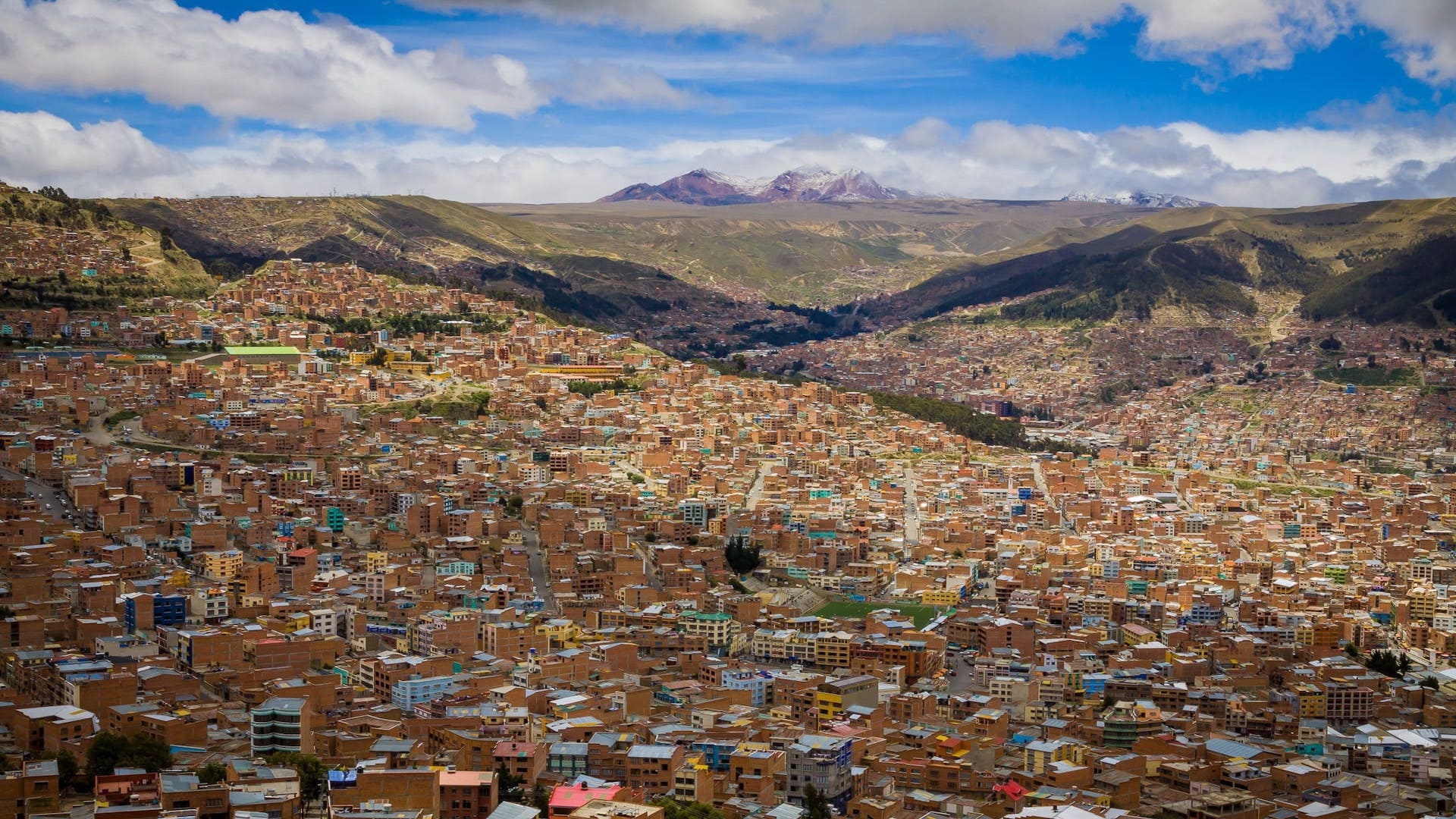
La Paz
The world’s highest capital city, La Paz, offers a fascinating blend of colonial charm, indigenous culture, and spectacular views from the Mi Teleférico cable cars.
-
Salar de Uyuni
The largest salt flat on Earth, surreal, mirror-like, and absolutely unmissable. Visit during the rainy season for a glassy sky-reflection effect or during dry months to explore its polygonal salt crust and cactus-studded islands.
-
Sucre
Bolivia’s constitutional capital and a UNESCO World Heritage Site, Sucre is famed for its whitewashed buildings, colonial architecture, and rich cultural history.
-
Potosí
Once the richest city in the world during the Spanish silver boom, Potosí is home to dramatic mountain landscapes, historic mines, and haunting colonial remnants.
-
Lake Titicaca
The world’s highest navigable lake, shared with Peru, is a spiritual and cultural hotspot. Don’t miss Isla del Sol, believed to be the birthplace of the Inca civilization.
-
Santa Cruz de la Sierra
A modern, tropical city and gateway to Bolivia’s Amazon basin, offering lush parks, wildlife reserves, and a completely different side of the country.
-
Madidi National Park
Located in the Amazon basin, this biodiverse wonderland is one of the best things to do in Bolivia for nature lovers, with jaguars, monkeys, and over 1,000 bird species.
-
Copacabana
A quaint lakeside town on Lake Titicaca known for its scenic views, charming streets, and as a starting point for boat trips to nearby islands.
-
Tarija
Bolivia’s wine country! A peaceful city surrounded by vineyards, Tarija offers tastings of unique high-altitude wines and a relaxed atmosphere.
-
Oruro
Best known for the Oruro Carnival, one of South America’s most vibrant cultural festivals, featuring elaborate costumes, folklore dances, and a deep spiritual essence.
-
Rurrenabaque
A popular jump-off point for jungle and pampas tours in the Bolivian Amazon, great for wildlife spotting, river expeditions, and community visits.
-
Tupiza
Surrounded by dramatic red rock formations, this southern town feels like Bolivia’s Wild West and is a favorite among horseback riding and hiking enthusiasts.
-
Yungas Road (Death Road)
Not for the faint-hearted, this infamous biking route descends from the Andes into the jungle and is one of the most adventurous day trips in Bolivia.
-
Coroico
A laid-back town in the subtropical Yungas region, known for coffee plantations, waterfalls, and a refreshing escape from high-altitude chill.
-
Samaipata
A serene town with archaeological ruins (El Fuerte de Samaipata), lush valleys, and a growing reputation as a cultural and culinary escape.
-
Toro Toro National Park
Bolivia’s answer to Jurassic Park — full of dinosaur footprints, deep canyons, caverns, and fossil fields, perfect for geology and nature lovers.
-
El Alto
A rapidly growing city above La Paz known for its vibrant street markets and as a stronghold of indigenous Aymara culture and modern urban energy.
-
Valle de la Luna (Moon Valley)
A surreal eroded landscape just outside La Paz, featuring deep canyons and bizarre rock formations that resemble the surface of the moon.
-
Uyuni Train Graveyard
Just outside the town of Uyuni, this eerie collection of abandoned steam locomotives offers an atmospheric start to a salt flat tour.
-
Jesuit Missions of Chiquitos
A lesser-known UNESCO site, this region is home to beautifully preserved 18th-century Jesuit churches, blending European and indigenous styles in a stunning tropical setting.
Best Time to Visit Bolivia
The perfect time to travel to Bolivia depends on the experiences you’re seeking, as the country’s climate varies widely by region and altitude. However, most travelers find the dry season to be the most comfortable and rewarding time to explore.
Dry Season (May to October):
This is the most popular time to visit Bolivia. The weather is generally sunny with clear skies, making it ideal for trekking, sightseeing, and exploring the highlands, salt flats, and cities. Temperatures are cooler, especially in La Paz and Uyuni, but there’s minimal rain, which improves road conditions and visibility.
-
Ideal for:
-
Visiting Salar de Uyuni (especially for sharp, dry, geometric salt patterns)
-
Trekking in the Andes
-
Exploring Lake Titicaca
-
Cultural festivals like Gran Poder in La Paz (June)
-
Rainy Season (November to March):
Rainfall is heavier in tropical and lowland regions, including the Amazon basin. However, this is the season when the Uyuni Salt Flats transform into a giant mirror, creating the iconic reflective landscape, a photographer’s dream.
-
Ideal for:
-
Experiencing the mirror effect at Salar de Uyuni (Jan–March)
-
Exploring lush Amazon rainforests
-
Attending vibrant local carnivals (e.g., Oruro Carnival in February)
-
Shoulder Months (April & November):
Transitional months with fewer crowds and moderate weather. A great time for a more peaceful visit, especially if you're looking to avoid both extreme cold and peak tourist seasons.
From a strong indigenous culture to wildlife-packed tropical Amazon rainforest, jaw-dropping salt flats and beautiful old colonial towns, it is all here. Leave behind your preconceptions and you will be amazed at what this stunning country has to offer
Bolivia Solo Tours
Find the perfect adventure for your travel style.
No tours available for this destination at the moment.
Helpful Tips for a Safe and Enjoyable Bolivia Tours
Traveling through Bolivia can be a life-changing experience, from the soaring Andes to the surreal salt flats and vibrant markets. To ensure your trip is smooth, enriching, and safe, here are some practical tips to keep in mind:
-
Acclimate to the Altitude
Cities like La Paz and Potosí sit at over 3,500 meters (11,500+ ft). Allow at least 1–2 days to adjust, drink plenty of water, and avoid alcohol initially. Coca tea is a traditional (and effective) remedy for mild symptoms.
-
Watch What You Eat and Drink
Stick to bottled or filtered water and avoid raw vegetables or street food that hasn’t been cooked thoroughly. Choose busy, reputable eateries, especially in rural areas.
-
Pack for All Seasons
Bolivia’s climate varies drastically between regions and elevations. Layered clothing is key — you might need a sun hat and sunscreen in the morning, and a down jacket by nightfall.
-
Carry Cash in Small Bills
Many parts of your Bolivia travel itinerary may take you to remote towns or local markets where card payments are not accepted. Carry enough cash, especially in smaller denominations, to avoid inconvenience.
-
Plan Your Transport in Advance
Roads in remote areas can be rough and travel times long. Book buses and flights ahead where possible, especially during holidays and festivals. A well-structured travel to Bolivia plan can make a big difference.
-
Stay Aware of Political Events
While Bolivia is generally safe, occasional protests or roadblocks can disrupt travel. Keep an eye on local news or check with your tour guide or embassy before heading out.
-
Respect Local Customs and Culture
Ask permission before photographing people, especially in indigenous communities. Dress modestly when visiting churches or sacred sites and learn a few Spanish greetings, it goes a long way!
-
Keep Copies of Important Documents
Carry a photocopy or digital backup of your passport, visa, insurance, and emergency contacts in case of loss or theft.
-
Use Reputable Tour Operators
For activities like Uyuni salt flat tours or Amazon excursions, choose experienced and certified operators for safety, environmental responsibility, and quality.
-
Don’t Underestimate the Sun
UV rays are strong at high altitudes. Use high-SPF sunscreen, wear sunglasses, and stay hydrated throughout the day.
Top Activities in Bolivia
From towering mountains and shimmering salt flats to vibrant cities and deep-rooted indigenous cultures, Bolivia offers a thrilling variety of activities for every kind of traveler. Whether you're seeking outdoor adventure, spiritual connection, or cultural immersion, this South American gem has something unforgettable in store.
Here are the top activities to include in your Bolivian adventure:
-
Walk Across the Salar de Uyuni
Experience the surreal vastness of the world’s largest salt flat, and don’t miss the mirror effect during the rainy season for stunning photos.
-
Ride the Mi Teleférico in La Paz
Soar above the world’s highest administrative capital via this modern cable car system, offering panoramic views of the city and the surrounding Andes.
-
Hike Isla del Sol on Lake Titicaca
Follow ancient Inca trails across this legendary island, believed to be the birthplace of the sun in Andean mythology.
-
Bike the Death Road (Yungas Road)
One of the most thrilling downhill rides in the world, not for the faint-hearted, but perfect for adrenaline seekers.
-
Explore Bolivia’s vibrant street markets
From the Witches’ Market in La Paz to Tarabuco Market near Sucre, discover colorful textiles, folk remedies, and handmade crafts.
-
Go Wildlife Spotting in Madidi National Park
Trek or canoe through one of the most biodiverse parks on Earth, home to jaguars, monkeys, pink dolphins, and hundreds of bird species.
-
Tour the Potosí Silver Mines
Venture into the historic Cerro Rico mines and learn about Bolivia’s colonial past and the life of modern miners.
-
Experience Traditional Festivals
Join in the celebrations of Carnaval de Oruro or the Gran Poder Festival, both explosive displays of dance, music, and Andean spirituality.
-
Discover the Ancient Ruins of Tiwanaku
Walk through the remnants of one of South America’s oldest civilizations, predating even the Inca Empire.
-
Take a Bolivian Cooking Class
Learn to prepare local favorites like salteñas (Bolivian empanadas) or api con pastel while exploring the country’s unique culinary culture.
-
Camp on the Uyuni Salt Flats
Spend the night under a blanket of stars in a luxury dome or eco-lodge in the heart of the salt flats.
-
Go Wine Tasting in Tarija
Visit high-altitude vineyards and sip rare wines while enjoying sweeping valley views and a laid-back atmosphere.
-
Raft or Kayak in the Amazon Basin
Navigate rivers near Rurrenabaque for a true jungle experience filled with wildlife, silence, and untouched nature.
-
Relax in the Thermal Springs of Sajama
Soak in natural hot springs at the base of Bolivia’s highest mountain, perfect for unwinding after a trek.
-
Explore Colonial Sucre on Foot
Wander through whitewashed streets, visit historic cathedrals, and enjoy the cultural calm of Bolivia’s constitutional capital.
-
See Dinosaur Footprints in Toro Toro National Park
Step back in time as you follow massive fossilized footprints and explore caves and canyons carved by nature.
-
Visit the Uyuni Train Graveyard
A hauntingly beautiful field of rusting steam trains near Uyuni, a photographer’s dream and a surreal start to your salt flat tour.
-
Stay in a Traditional Indigenous Homestay
Immerse yourself in daily life, food, and customs in communities around Lake Titicaca or the Andes.
-
Watch the Sunset from Valle de la Luna
Just outside La Paz, this lunar-like landscape offers breathtaking silhouettes and golden light for photography lovers.
-
Attend a Cholita Wrestling Match
A bold and entertaining show where indigenous women in traditional dress face off in theatrical wrestling matches, uniquely Bolivian!
Popular Restaurants in Bolivia
Bolivia’s culinary scene is a flavorful fusion of Andean ingredients, traditional cooking, and international flair. Whether you're dining in the capital or a quiet mountain town, you'll find everything from high-end fusion to rustic, hearty comfort food.
Here are some of the most popular restaurants across the country:
-
Gustu (La Paz)
Founded by a former Noma chef, Gustu is a world-renowned fine-dining restaurant that uses only Bolivian ingredients to create innovative and modern dishes. -
Ali Pacha (La Paz)
A plant-based fine-dining experience offering beautifully plated, locally inspired vegan cuisine in the heart of the capital. -
Jardin de Asia (Santa Cruz de la Sierra)
An upscale restaurant blending Asian flavors with Bolivian ingredients in a contemporary, zen-like setting. -
Café El Tapado (Sucre)
A cozy and eclectic café known for its fresh pasta, traditional Bolivian dishes, and welcoming atmosphere. -
La Taverne (Sucre)
A French-Bolivian bistro offering gourmet takes on steak, seafood, and local wines — perfect for a romantic dinner or special occasion. -
Luciernagas Restaurant (Potosí)
This intimate, family-run spot is known for excellent home-cooked Bolivian meals and warm, personal service. -
La Orilla (Copacabana)
Located on the shores of Lake Titicaca, this lakeside restaurant offers fresh trout dishes and vegetarian options with scenic views. A must-stop on your way to some of the top places to visit in Bolivia. -
El Fogón del Gringo (Tarija)
A meat-lover’s paradise offering perfectly grilled steaks, traditional asado, and a great selection of local wines. -
Café Vida (Cochabamba)
A stylish vegan café with great coffee, smoothie bowls, and creative plant-based meals in Bolivia’s culinary capital. -
Luna’s Café (Rurrenabaque)
A traveler favorite for jungle tourers, this café serves hearty breakfasts, international snacks, and strong coffee. -
Toba (Santa Cruz de la Sierra)
A trendy, upscale steakhouse blending Bolivian flavors with Argentine grilling techniques in a modern urban setting. -
El Huerto (Sucre)
A tranquil garden restaurant with a wide selection of traditional and international cuisine, ideal for lunch or dinner with a view. -
Popular Cocina Boliviana (La Paz)
A casual, fun spot serving authentic Bolivian street food with a gourmet twist, don’t miss their salteñas! -
Margot (La Paz)
A fine-dining experience celebrating native ingredients like quinoa, llama, and amaranth in beautifully plated dishes. -
Pueblo Chico (Oruro)
A cozy and highly-rated local restaurant serving Andean comfort food like silpancho and charkekan in generous portions.
Bolivia Cuisine Highlights
Bolivian cuisine is as diverse as its geography, blending indigenous flavors, Spanish colonial influences, and local ingredients from the high Andes to the Amazon Basin. From hearty stews and savory street snacks to fresh lake fish and tropical fruits, food in Bolivia is rich in tradition and packed with flavor.
Here are some of the must-try dishes during your culinary journey:
-
Salteñas
Bolivia’s beloved baked empanadas filled with a juicy mix of meat, potatoes, olives, and eggs — a favorite breakfast or snack across the country.
-
Silpancho
A Cochabamba specialty made with a thin breaded meat cutlet served over rice, potatoes, and topped with fried eggs and fresh salsa.
-
Pique Macho
A giant platter of chopped beef, sausage, fries, onions, peppers, and boiled eggs — often shared and occasionally spicy!
-
Sopa de Maní (Peanut Soup)
A creamy soup made from ground peanuts, vegetables, and sometimes beef or chicken, usually topped with crunchy potato sticks.
-
Chairo
A traditional highland stew made with lamb or beef, freeze-dried potatoes (chuño), vegetables, and Andean herbs — especially popular in La Paz.
-
Mondongo Chuquisaqueño
A spicy pork dish served with hominy and rich red sauce, commonly eaten during festivals in Sucre and surrounding regions.
-
Trucha (Lake Trout)
Freshly caught from Lake Titicaca and often grilled or fried with herbs, garlic, and served with rice or potatoes.
-
Majadito
A lowland favorite from Santa Cruz made of rice cooked with dried meat, fried egg, and fried plantains.
-
Anticuchos
Grilled beef heart skewers marinated in spices and served with potatoes and peanut sauce, a flavorful street food essential on any Trip to Bolivia.
-
Tamales and Humintas
Corn dough steamed in husks, often filled with cheese, spices, or meat, humintas are slightly sweeter and sometimes baked.
-
Fricasé
A spicy pork stew made with white corn, garlic, and ají (chili pepper), typically eaten for breakfast or lunch in the Altiplano.
-
Api con Pastel
A warm, sweet drink made from purple or white corn, often paired with a fried cheese pastry (pastel) — a popular Andean combo for chilly mornings.
-
Locro de Gallina
A chicken and rice soup flavored with garlic and native herbs, found mainly in the valleys and lowlands.
-
Cazuela de Llama
A llama meat stew cooked with native potatoes and Andean spices — a protein-rich meal enjoyed especially in the highlands.
-
Buñuelos
Light, airy fritters usually enjoyed with honey or syrup, commonly eaten during holidays or as a sweet snack.
Festivals and Events in Bolivia
From colorful processions to sacred indigenous rituals, Bolivia’s festivals are an explosion of music, dance, faith, and culture. These celebrations are deeply woven into the Bolivian identity and offer travelers a chance to witness the country’s vibrant spirit firsthand.
Here are some of the most important and captivating festivals and events in Bolivia:
-
Carnaval de Oruro (February)
Recognized by UNESCO as a Masterpiece of Oral and Intangible Heritage, this iconic carnival blends Catholic and pre-Columbian traditions with mesmerizing dances, elaborate costumes, and dramatic performances.
-
Gran Poder (May/June – La Paz)
This massive religious festival in La Paz celebrates the Señor del Gran Poder (Lord of Great Power). Thousands of dancers in ornate outfits parade through the streets in a spectacular celebration of faith and folklore.
-
Tinku Festival (May – Potosí)
Tinku means “encounter” in Quechua, and this intense ritual involves ceremonial hand-to-hand combat between communities to honor Pachamama (Mother Earth) and bring fertility to the land.
-
Fiesta de San Juan (June – Nationwide)
One of the most widely celebrated festivals in Bolivia, San Juan combines pagan and Catholic elements. Traditionally celebrated with bonfires, fireworks, and hot drinks, it marks the winter solstice and is believed to be the coldest night of the year.
-
Todos Santos & Día de los Difuntos (November 1–2)
Bolivia’s Day of the Dead is a touching tribute to ancestors, featuring decorated altars, sweet breads in the shape of people (t’antawawas), and offerings shared between families and the spirits of loved ones.
-
Aymara New Year (June 21 – Tiwanaku & Andes)
Also known as Willkakuti, this celebration of the winter solstice welcomes the sun god with rituals, music, and dancing at sacred sites like Tiwanaku.
-
Virgen de Urkupiña (August – Quillacollo)
A vibrant religious and folkloric festival with parades, dance troupes, and pilgrimages honoring the Virgin of Urkupiña. It’s considered the second-largest celebration after Carnaval.
-
Fiesta del Gran Chaco (December – Tarija region)
Celebrated by the Guaraní people, this festival honors indigenous traditions with dance, music, storytelling, and rituals passed down through generations.
-
Fiesta de Alasitas (January – La Paz)
A unique fair where miniature items — from houses and money to cars and diplomas — are bought and blessed by shamans, symbolizing the dreams people hope will come true in the new year.
-
Navidad Andina (December – Andes & Altiplano)
Christmas in Bolivia takes on unique regional flavor with colorful processions, native dances, and community feasts blending Catholic and indigenous customs.
Why Choose Indus Travel?
At Indus Travel, we specialize in crafting meaningful journeys that go beyond typical sightseeing. Our Bolivia tours are designed to immerse you in the country’s rich culture, breathtaking landscapes, and authentic local experiences — all while ensuring your comfort, safety, and enjoyment from start to finish.
Here’s why thousands of travelers trust us with their adventure:
-
Expertly Curated Itineraries: Each tour is thoughtfully planned by destination specialists who understand what makes Bolivia so special. From iconic highlights to hidden gems, we include the best of the best.
-
Local Insight, Global Standards: With experienced local guides and a strong support network, you’ll gain genuine cultural insight while enjoying top-tier service and logistical peace of mind.
-
Flexible Travel Options: Whether you're after a private tour, a small group journey, or a tailor-made trip, we offer customizable options to match your pace, interests, and travel style.
-
Authentic Experiences: We believe in real connections — meet locals, explore traditional markets, taste regional flavors, and discover the soul of Bolivia beyond the guidebook.
-
Value Without Compromise: Our tours balance affordability with high-quality accommodations, transportation, and activities, giving you the best possible experience at a fair price.
-
Sustainable & Responsible Travel: We partner with communities and guides that prioritize environmental conservation and cultural respect, helping to preserve the magic of Bolivia for generations to come.
Whether you want to explore the surreal Salar de Uyuni or wander through colorful markets in La Paz, our trips cover the most iconic tourist places in Bolivia — and many you’ve never heard of but will never forget.
Let Indus Travel turn your dream of visiting Bolivia into an unforgettable journey.
FAQs
1. Do I need to speak Spanish to travel around Bolivia?
While many locals speak only Spanish or indigenous languages, basic English is spoken in hotels, airports, and tourist areas. Learning a few Spanish phrases can enhance your experience.
2. Are credit cards widely accepted in Bolivia?
Credit cards are accepted in most hotels and upscale restaurants in major cities. However, in smaller towns and markets, cash is king — always carry small denominations of Bolivian Bolivianos.
3. Is tap water safe to drink in Bolivia?
It’s best to avoid drinking tap water. Stick to bottled, filtered, or boiled water, and be cautious with ice and raw foods in remote areas.
4. What is included in most Bolivia tour packages?
Most Bolivia tour packages include accommodation, guided tours, transportation between cities, and some meals. Flights, entrance fees, and gratuities may vary by operator, so always review the inclusions before booking.
5. What kind of outlets and plugs are used in Bolivia?
Bolivia uses 230V electricity with Type A and C outlets. Travelers should bring a universal adapter and check if voltage converters are necessary for their devices.
6. Is Bolivia a good destination for solo travelers?
Yes! Bolivia is budget-friendly, culturally rich, and full of welcoming locals. With some planning and awareness, it can be a rewarding destination for solo adventurers.
7. What is the best way to get around within Bolivia?
Domestic flights are efficient for long distances, while buses are commonly used for intercity travel. In towns and cities, taxis and shared minibuses (trufis) are widely available.
8. Are there vegetarian or vegan food options in Bolivia?
Yes — especially in larger cities like La Paz and Sucre. However, in rural areas, choices may be limited, so it’s helpful to learn food-related vocabulary or pack snacks.
9. Do I need any vaccinations before traveling to Bolivia?
Yellow fever vaccination is recommended, especially if visiting the Amazon region. It’s advisable to consult a travel doctor 4–6 weeks before your trip for up-to-date recommendations.
10. Can I use my phone in Bolivia?
Yes. If you have an unlocked phone, you can purchase a local SIM card for affordable data and calls. Wi-Fi is also widely available in most accommodations and cafes.
11. What should I wear when visiting churches or sacred sites?
Dress modestly. Avoid shorts, tank tops, or revealing clothing when visiting religious sites or indigenous communities as a sign of respect.
12. Is tipping customary in Bolivia?
Tipping is not mandatory but appreciated. In restaurants, rounding up or leaving 5–10% is common. Tip guides and drivers based on the quality of service.
13. How physically demanding is a Bolivia Trip?
A Bolivia Trip can involve walking at high altitudes, long drives, or hiking over uneven terrain. While not all tours are strenuous, travelers should be reasonably fit and prepared for altitude.
14. Are there any cultural do’s and don’ts in Bolivia?
Avoid taking photos of people without permission, don’t mock traditional clothing or rituals, and always ask before entering sacred spaces or community lands.
15. What are the emergency numbers in Bolivia?
The general emergency number is 110 (police), 118 (ambulance), and 119 (fire). Keep a local contact number and your embassy’s info handy during your stay.