Island of Ireland
Ireland Tours: Embrace the Magic of the Emerald Isle
At a glance
-

Capital City
-

Population
-

Currency
-

Language
-

Time Zone
-

Calling Code
-

Electricity
-

Avg Temperature (Winter and Summer)
Solo Journeys to Island of Ireland
Exploring the Emerald Isle with Indus Travel
About Island of Ireland
Discover Ireland
Embark on the adventure of a lifetime with our exclusive Ireland Tours 2025. Experience the magic of the Emerald Isle as you delve into its rich history, stunning landscapes, and vibrant culture. Our tours are designed to showcase the very best of Ireland, ensuring an unforgettable trip for every traveler. Ireland's rich history and culture are woven into every aspect of our tours. Visit the Cliffs of Moher for stunning views over the Atlantic, kiss the legendary Blarney Stone at Blarney Castle, and stroll down Grafton Street in Dublin. Don't miss the Guinness Storehouse for a true taste of Ireland.
Top Destinations to Visit in Ireland
-
Dublin – Ireland’s lively capital, home to historic landmarks, vibrant pubs, and literary heritage.
-
Galway – A bohemian city known for live music, colorful streets, and its proximity to Connemara.
-
Cork – A cultural gem with a thriving food scene and access to the Blarney Castle.
-
Killarney – The gateway to the Ring of Kerry and home to stunning national parks and lakes.
-
Cliffs of Moher – Iconic sea cliffs offering breathtaking views over the Atlantic Ocean.
-
Belfast – Northern Ireland’s capital with Titanic history, murals, and buzzing nightlife.
-
Dingle Peninsula – A rugged, scenic coastal area with charming villages and ancient sites.
-
Kilkenny – A medieval town full of narrow lanes, historic buildings, and a grand castle.
-
Limerick – A riverside city with Georgian architecture and King John’s Castle.
-
Aran Islands – Step back in time on these remote islands with stone walls and Irish-speaking locals.
-
Giant’s Causeway – A UNESCO site in Northern Ireland with unique hexagonal rock formations.
-
Sligo – A poetic landscape that inspired W.B. Yeats, filled with ancient tombs and wild beauty.
-
Waterford – Ireland’s oldest city, famous for crystal, Viking history, and coastal walks.
-
Donegal – A wild, unspoiled region with cliffs, beaches, and the Slieve League Mountains.
-
Newgrange – A prehistoric tomb older than the pyramids and rich with mystery.
-
Cobh – The last port of call for the Titanic, with poignant maritime history.
-
Westport – A charming town nestled near Croagh Patrick and Clew Bay.
-
The Burren – A unique limestone landscape full of rare flora and ancient ruins.
-
Glendalough – A serene valley with a 6th-century monastic site and stunning hikes.
-
Derry (Londonderry) – A walled city in Northern Ireland known for its history and vibrant art.
Best Time to Visit Ireland
The best time to visit Ireland depends on your travel style—whether you’re after lush green landscapes, lively festivals, or quiet countryside charm. Here’s a guide to help you plan your perfect Irish adventure:
Spring (March to May)
Spring in Ireland is a refreshing and beautiful time to visit. The countryside begins to bloom with wildflowers, and the days grow longer and brighter. Temperatures are mild, typically ranging from 8°C to 15°C (46°F to 59°F), making it a great time for road trips, castle visits, and coastal walks. While there may still be occasional showers (it is Ireland, after all), the landscapes are vibrant and less crowded than in peak summer. It’s also lambing season in the rural regions—a charming sight if you're exploring the countryside.
Summer (June to August)
Summer is the warmest and busiest time in Ireland, with temperatures ranging from 13°C to 20°C (55°F to 68°F). It’s the high season for tourism, thanks to the long daylight hours (up to 18 hours in June!) and a full calendar of cultural events and music festivals. This is the ideal time to explore Ireland’s dramatic coastlines, take a boat ride along the Wild Atlantic Way, or visit lively cities like Dublin and Galway. Just be prepared for crowds and slightly higher accommodation prices.
Autumn (September to November)
Autumn in Ireland offers a peaceful, picturesque escape. The leaves change to rich reds and golds, and the air becomes crisp but not too cold. Temperatures range from 7°C to 17°C (45°F to 63°F), and the crowds begin to thin, especially in late October and November. It’s a perfect time for a cozy pub crawl, exploring scenic drives like the Ring of Kerry, or attending harvest festivals and food markets. Autumn is an underrated but magical time to visit Ireland.
Winter (December to February)
Winter is the quietest time to visit Ireland, with fewer tourists and a tranquil, cozy vibe. While temperatures are cool (4°C to 9°C / 39°F to 48°F), snow is rare except in the mountains. Cities light up with Christmas markets and decorations, and it’s a great season for exploring Dublin’s museums, enjoying a pint by the fireplace in a traditional pub, or visiting small villages with a festive charm. If you don't mind the shorter days and a bit of rain, winter can be a wonderfully intimate way to experience Ireland.
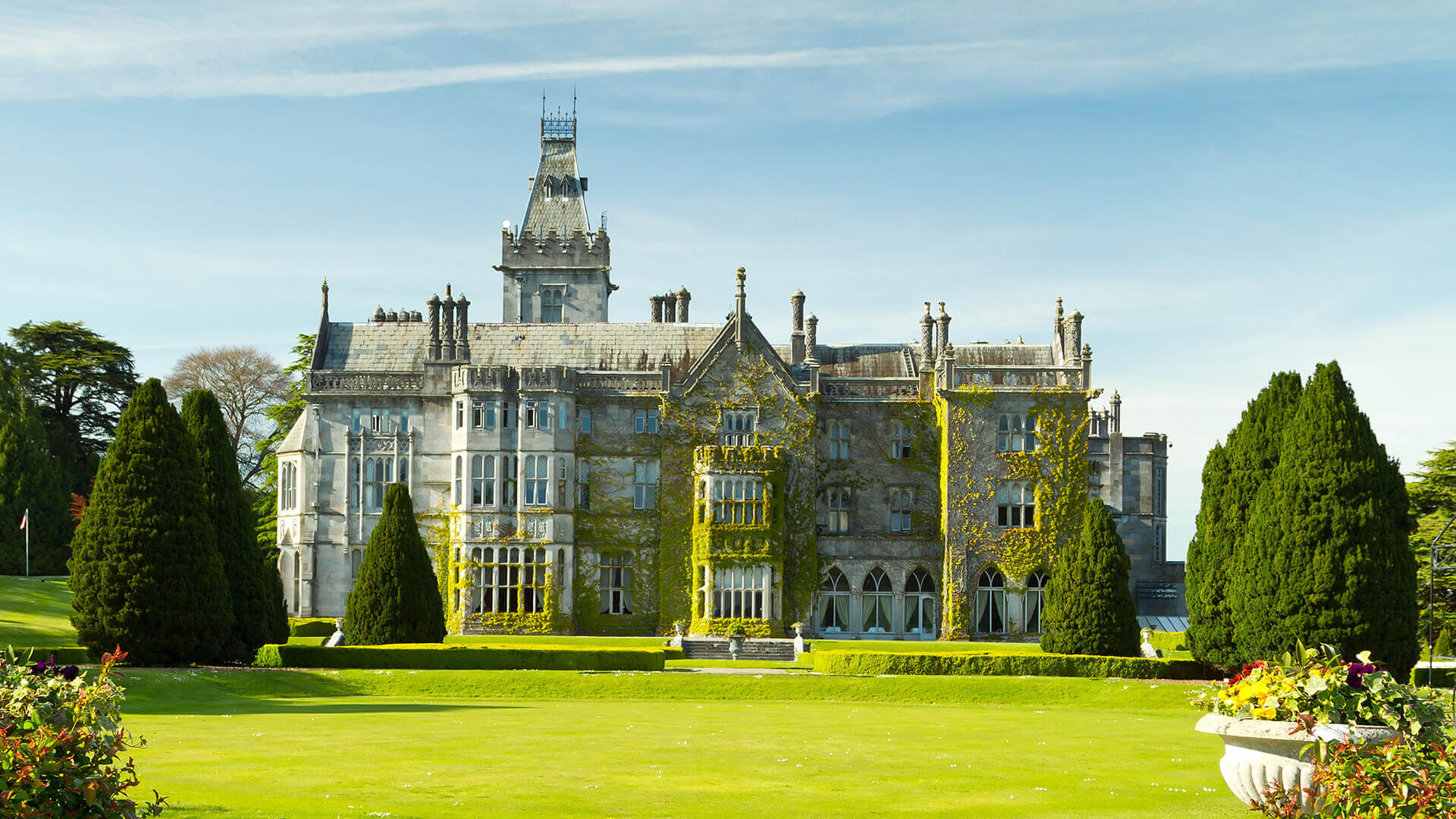
The serene coastlines are flanked with crumbling castles and dramatic cliff faces and the lush green countryside stretches for miles. The charismatic city of Dublin provides a perfect contrast to Ireland's rural countryside, its lively atmosphere is filled with traditional Irish music, dancing and of course, Guinness.
Island of Ireland Solo Tours
Find the perfect adventure for your travel style.
No tours available for this destination at the moment.
Helpful Tips for a Safe and Enjoyable Ireland Tour?
-
Pack for all kinds of weather – Ireland is famously unpredictable when it comes to weather. Bring layers, a good rain jacket, and waterproof shoes.
-
Drive on the left – If you’re renting a car, remember that Ireland follows left-hand traffic rules.
-
Carry cash for small towns – While cards are widely accepted, some rural pubs or small shops may prefer cash.
-
Stay on marked trails – When exploring the countryside or Cliffs of Moher, stick to paths to ensure your safety.
-
Be pub-smart – Irish pubs are friendly and fun, but it's good etiquette to buy a round if you're with a group.
-
Check local holidays – Some shops and attractions may close for public holidays or during smaller local festivals.
-
Book accommodations early – Especially during summer and festival seasons.
-
Respect heritage sites – Many are centuries old and still used for worship or cultural events.
-
Learn a few Gaelic phrases – It’s appreciated and adds to the charm of the trip.
-
Keep emergency numbers handy – 112 and 999 are the emergency services numbers in Ireland.
Top Activities to Try in Ireland?
Why Choose Indus Travels?
Indus Travels offers Ireland small group tours, coach tours and group tours for those who want to experience the beauty of Ireland. With these tours, travellers can explore the stunning landscape, visit historical sites, and experience the unique culture of Ireland. The small group tours offer a more intimate experience, allowing travellers to get to know their fellow travellers and explore the country with a knowledgeable guide. The coach tours allow travellers to cover more ground, with the convenience of a comfortable coach and the guidance of an experienced guide. Lastly, the group tours offer the chance to explore the country in a larger group, giving travellers the opportunity to meet new people and share the experience with others. With so many options available, Indus Travel makes it easy to plan an unforgettable trip to Ireland.
Our comprehensive tours of Ireland take you on a journey through the heart of this enchanting island. From the bustling streets of Dublin to the serene beauty of Kerry, you'll discover why Ireland is known for its spectacular scenery and warm hospitality. Explore ancient castles, listen to traditional music, and immerse yourself in the local way of life.
Choose from a variety of Ireland tour packages tailored to suit your interests and budget. Whether you're seeking a guided tour of Ireland's iconic landmarks or a self-driven adventure along the Wild Atlantic Way, we have the perfect option for you. Our packages offer the flexibility and convenience to make your Ireland vacation truly memorable.
Overall, Ireland is a beautiful and unique country, full of lush green landscapes and fascinating culture. With group tours, you can explore the country in a way that suits your needs. From the vibrant cities to the hidden gems, there is something for everyone in Ireland. Whether you are looking for a peaceful getaway or an adventure, Ireland has something for everyone.
FAQs
1. Do I need a visa to visit Ireland?
No, citizens of the US, Canada, and other North American countries do not need a visa for stays up to 90 days.
2. What currency is used in Ireland?
Ireland uses the Euro (€). Northern Ireland uses the British Pound (£), but most places accept both currencies, especially near the border.
3. Is it safe to travel to Ireland?
Yes, Ireland is one of the safest countries to visit in Europe. However, like any destination, exercise basic safety precautions, especially in crowded tourist areas.
4. What language is spoken in Ireland?
English is the most widely spoken language. Irish (Gaelic) is the official language, though it’s primarily spoken in rural areas and taught in schools.
5. What is the best time to visit Ireland?
The best time to visit is from late spring to early autumn (May to September) when the weather is milder and there are more festivals. However, Ireland’s weather can be unpredictable year-round.
6. Is it necessary to tip in Ireland?
Tipping is appreciated but not obligatory. In restaurants, a tip of 10-15% is customary if service is not included in the bill.
7. What’s the weather like in Ireland?
Ireland has a temperate maritime climate, with mild winters and cool summers. Expect rain year-round, so packing an umbrella and layers is essential.
8. Should I rent a car when traveling in Ireland?
Renting a car is highly recommended for exploring the countryside and coastal regions. Be aware that driving is on the left side of the road, and a valid driver’s license is required.
9. Are credit cards widely accepted in Ireland?
Yes, credit cards are widely accepted, especially in larger cities and tourist areas. It’s also advisable to carry some cash for smaller towns or markets.
10. Do I need any vaccinations before visiting Ireland?
No specific vaccinations are required for travelers to Ireland, but make sure you are up-to-date on routine vaccinations such as the flu shot, tetanus, and hepatitis A.
11. What should I wear in Ireland?
Dress in layers and pack for rain. A waterproof jacket, sturdy walking shoes, and warm clothing are essential for touring Ireland’s scenic landscapes.
12. Is it possible to drink the tap water in Ireland?
Yes, the tap water in Ireland is clean, safe to drink, and of high quality. Bottled water is widely available if preferred.
13. What is the voltage and plug type in Ireland?
Ireland uses a voltage of 230V and plug type G (three rectangular prongs). You’ll need an adapter for North American devices.
14. How can I get around in Ireland?
Apart from driving, you can take buses, trains, or taxis. Major cities like Dublin, Cork, and Galway have good public transport systems, while rural areas are best explored by car.
15. What should I not miss while visiting Ireland?
Don’t miss visiting iconic landmarks like the Cliffs of Moher, the Ring of Kerry, Dublin’s Trinity College, and the vibrant towns of Galway and Killarney. Also, try Irish whiskey and a hearty Irish breakfast!