Bulgaria
Bulgaria Tours: Discover Heritage, Mountains, and Coastlines
At a glance
-

Capital City
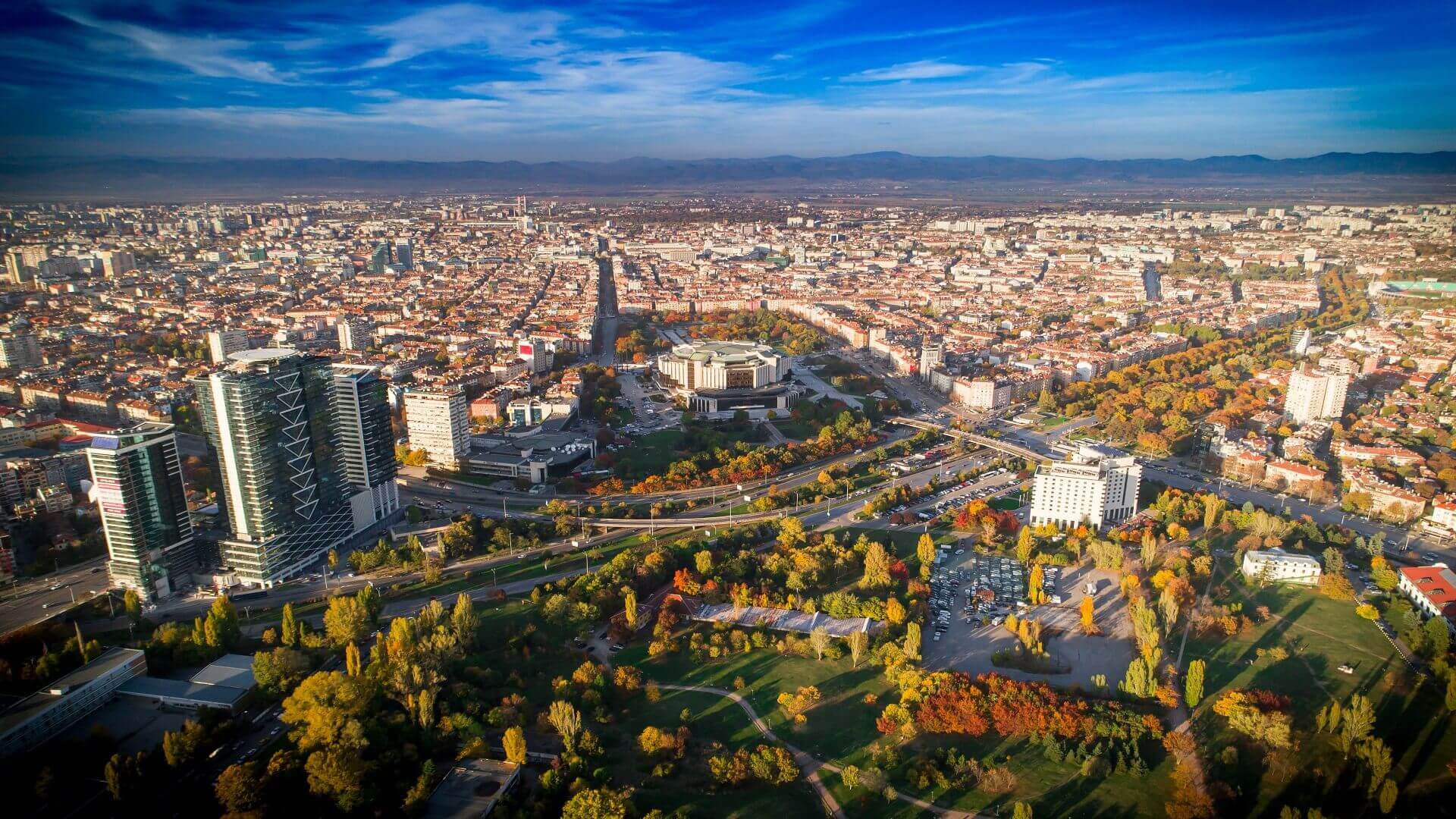
Sofia -

Population
~6.4 million -

Currency
Bulgarian Lev (BGN) -

Language
Bulgarian -

Time Zone
Eastern European Time (GMT+2) -

Calling Code
+359 -

Electricity
230V, 50Hz, Type C & F plugs -

Avg Temperature (Winter and Summer)
Winter ~0°C; Summer ~27°C
Solo Journeys to Bulgaria
Bulgaria Tours – Your Gateway to Incredible Bulgaria
About Bulgaria
Discover Bulgaria
If you’re looking for a destination that combines ancient history, natural beauty, and vibrant culture, Bulgaria deserves a spot on your travel bucket list. Nestled in Southeast Europe, this country offers everything from breathtaking mountains and Black Sea beaches to centuries-old monasteries and charming villages. Whether you’re interested in history, adventure, or relaxation, Bulgaria has something for everyone.
What makes Bulgaria tours so special is the variety—they allow you to wander through medieval fortresses, ski down snow-capped slopes, or relax by the seaside, all within a single trip. Add in warm hospitality, delicious cuisine, and affordable prices, and you’ll understand why travelers are increasingly choosing this hidden European gem.
Top Destinations to Visit in Bulgaria
Here are some of the best places to visit in Bulgaria that promise unforgettable experiences:
- Sofia: The capital city, home to Alexander Nevsky Cathedral, Roman ruins, and Vitosha Mountain.
- Plovdiv: Famous for its Roman Theater and charming Old Town, it’s one of Europe’s oldest cities.
- Veliko Tarnovo: Known as the "City of Tsars," with the impressive Tsarevets Fortress.
- Varna: A lively coastal hub with beaches, nightlife, and the Archaeological Museum.
- Burgas: A seaside city with a relaxed vibe and access to Sunny Beach.
- Rila Monastery: A UNESCO site showcasing Bulgaria’s spiritual heritage.
- Bansko: Bulgaria’s most famous ski resort, nestled in the Pirin Mountains.
- Nessebar: An ancient town with cobblestone streets and historic churches by the Black Sea.
- Seven Rila Lakes: A natural wonder, perfect for hiking and photography.
- Sozopol: A seaside town blending sandy beaches with ancient history.
- Melnik: Bulgaria’s smallest town, known for wine and sandstone pyramids.
- Belogradchik Rocks: Striking rock formations with a fortress built into the cliffs.
- Kazanlak: Located in the Rose Valley, famous for rose oil production and Thracian tombs.
- Shumen: Home to the Madara Rider and historic landmarks.
- Koprivshtitsa: A picturesque village with preserved folk architecture.
These tourist places in Bulgaria showcase the country’s diversity, whether you’re into history, beaches, or mountain adventures, you’ll find it all here.
Best Time to Visit Bulgaria
The best time to travel to Bulgaria really depends on the kind of experience you’re seeking, as the country offers year-round appeal. Thanks to its diverse geography—from sandy beaches and rolling valleys to snow-covered peaks—every season has its own charm.
Summer (June–August):
If your dream is to soak up the sun on the shores of the Black Sea, summer is the ideal season. Resorts like Sunny Beach, Golden Sands, and Sozopol come alive with beach parties, water sports, and cultural events. While the coast can get lively, you’ll also find quieter seaside towns such as Nessebar and Balchik for a more relaxed vibe. This is also a great time for hiking in the mountains, with long, warm days perfect for outdoor adventures.
Winter (December–March):
Bulgaria has become one of Europe’s most affordable ski destinations, and winter is when its mountain resorts truly shine. Head to Bansko, Borovets, or Pamporovo for skiing, snowboarding, and après-ski fun. These resorts cater to both beginners and advanced skiers, offering modern facilities without the hefty price tags you’d find in the Alps. The winter months also give you a chance to enjoy cozy taverns serving hearty Bulgarian dishes and mulled wine after a day on the slopes.
Spring (April–May) & Autumn (September–October):
For those who prefer cultural sightseeing, fewer crowds, and milder temperatures, spring and autumn are perfect seasons. In spring, Bulgaria bursts into bloom, especially in the Rose Valley, where the famous Rose Festival takes place in Kazanlak. Autumn paints the countryside in golden hues, making it an excellent time for wine tours in Melnik or exploring historic towns like Plovdiv and Veliko Tarnovo. Both seasons are also popular for local festivals in Bulgaria and traditional events, offering authentic cultural experiences.
In short, whether you’re chasing sunshine, snow, or cultural treasures, Bulgaria has a season that fits your travel style.
Bulgaria Solo Tours
Find the perfect adventure for your travel style.
No tours available for this destination at the moment.
Helpful Tips for a Safe and Enjoyable Bulgaria Tour
Planning your Bulgaria trip is exciting, and a few smart tips can make your journey smoother and more enjoyable. Here’s what to keep in mind before you go:
- Carry cash: While big cities and hotels accept cards, many small shops, local markets, and rural restaurants prefer cash. Bulgarian Lev (BGN) is the currency, so it’s wise to keep some handy for day-to-day expenses.
- Learn a few Bulgarian phrases: Even a simple “Zdravey” (Hello) or “Blagodarya” (Thank you) goes a long way. Locals truly appreciate the effort, and it can make your interactions warmer and more memorable.
- Dress modestly in religious sites: Monasteries, churches, and other sacred places often require modest attire. Carry a scarf or shawl to cover your shoulders when needed.
- Use licensed taxis or apps: Stick to reputable taxi services or ride-hailing apps to avoid overcharging, especially in Sofia and Varna. Avoid unmarked cabs at airports or tourist spots.
- Stay alert in crowded places: Like most tourist destinations, pickpocketing can occur in busy areas. Keep your belongings secure in markets, train stations, and festivals.
- Respect local customs and traditions: Bulgarians are proud of their heritage. Participate respectfully in local festivals in Bulgaria, folk dances, or community events—it’s a great way to connect with the culture.
- Be prepared for diverse climates: If your Bulgaria travel itinerary includes both mountain and coastal regions, pack layers. Summer on the Black Sea can be hot, while the mountains stay cool.
- Use public transport wisely: Buses and trains are affordable and widespread, but schedules can be irregular in rural areas. Planning ahead helps avoid delays.
- Drink bottled water in rural areas: Tap water is generally safe in cities, but bottled water is recommended when traveling off the beaten path.
- Travel insurance is a must: Whether you’re skiing in Bansko or hiking in Rila National Park, having insurance adds peace of mind for unexpected situations.
By following these tips, you’ll not only enjoy a smoother journey but also connect more deeply with the heart of Bulgaria.
Top Activities to Try in Bulgaria
Looking for exciting activities in Bulgaria? Here are some must-do experiences:
- Skiing in Bansko and Borovets: Hit the snowy slopes of Bulgaria’s top ski resorts.
- Hiking the Seven Rila Lakes: Trek through stunning alpine landscapes and glacial lakes.
- Exploring Plovdiv’s Roman Theater: Step back in time at one of Europe’s oldest theaters still in use.
- Relaxing on Sunny Beach: Soak up the sun on Bulgaria’s liveliest Black Sea coast.
- Visiting Rila Monastery: Discover spiritual serenity in Bulgaria’s most famous monastery.
- Wine tasting in Melnik: Savor world-class wines in the country’s smallest, charming town.
- Spa experiences in Velingrad: Indulge in mineral-rich thermal baths and rejuvenating spa treatments.
- Touring Veliko Tarnovo’s fortress: Wander the medieval stronghold of Bulgaria’s old capital.
- Rafting in the Struma River: Add adrenaline to your trip with thrilling white-water rafting.
- Experiencing traditional folklore festivals: Immerse yourself in colorful costumes, music, and dance.
Popular Restaurants in Bulgaria
Food is a highlight of any trip, and the restaurants in Bulgaria won’t disappoint. Some top choices include:
- Made in Home (Sofia)
- Hadjidraganov’s Houses (Sofia)
- Pavaj (Plovdiv)
- Hemingway (Plovdiv)
- Staria Chinar (Varna)
- Happy Bar & Grill (nationwide)
- Di Wine (Varna)
- Ethno Restaurant (Burgas)
- Izbata Tavern (Sofia)
- Kapana District (Plovdiv) street eats
Bulgaria Cuisine Highlights
Bulgaria’s food is hearty, fresh, and flavorful. Don’t miss these traditional dishes:
- Shopska Salad
- Banitsa (cheese pastry)
- Tarator (cold cucumber soup)
- Kavarma (stew)
- Meshana Skara (mixed grill)
- Kyufte (meatballs)
- Sarmi (stuffed cabbage leaves)
- Kebapche (grilled minced meat)
- Lyutenitsa (pepper spread)
- Tikvenik (pumpkin pastry)
Festivals and Events in Bulgaria
- Rose Festival in Kazanlak: Celebrate Bulgaria’s famous roses with parades, dances, and fragrance-filled fields.
- Surva International Masquerade Festival: Experience dazzling masks and traditions that chase away evil spirits.
- Kukeri Festival: Watch costumed dancers perform ancient rituals for health and prosperity.
- Varna Summer Music Festival: Enjoy world-class opera, ballet, and symphonies by the Black Sea.
- Sofia Film Festival: Discover cutting-edge cinema from Bulgaria and around the globe.
- Bansko Jazz Festival: Groove to international jazz performances in a scenic mountain town.
Other Popular Places to Visit
- Romania: Transylvania, Bucharest
- Greece: Santorini, Athens
- Turkey: Istanbul, Cappadocia
- Croatia: Dubrovnik, Split
- Serbia: Belgrade
Why Choose Indus Travel?
With 25 years of expertise, Indus Travel offers thoughtfully designed Bulgaria tours that balance affordability with authenticity. Our small-group tours and optional options ensure your Bulgaria Trip is seamless, enriching, and unforgettable.
FAQs
1. Do I need a visa for Bulgaria?
Visa requirements depend on your nationality. EU citizens don’t need a visa, while many others can enter visa-free for short stays. Always check the latest requirements before you travel.
2. How many days should I plan for a trip to Bulgaria?
A week is ideal to cover highlights like Sofia, Plovdiv, Rila Monastery, and the Black Sea coast. If you want to explore mountains or multiple regions, 10–14 days is better.
3. Is Bulgaria safe for tourists?
Yes, Bulgaria is generally safe. Exercise standard precautions, watch your belongings in crowded areas, and use licensed transportation.
4. What are the top things to do in Bulgaria?
Some must-do activities include skiing in Bansko, hiking the Seven Rila Lakes, exploring Plovdiv’s Roman ruins, relaxing at Sunny Beach, and visiting historic monasteries.
5. Can I use Euros in Bulgaria?
The official currency is the Bulgarian Lev (BGN). Euros may be accepted in some tourist places, but it’s best to carry lev for daily expenses.
6. What’s the tipping etiquette?
A 10% tip is customary in restaurants if service isn’t included. Rounding up taxi fares and leaving small change for café service is also appreciated.
7. Are vegetarian options available?
Yes, many restaurants offer vegetarian dishes like shopska salad, bean stews, and cheese-based meals. Vegan options are less common but growing in cities.
8. What’s the best way to get around?
In cities, taxis, rideshare apps, and public transport are convenient. For countryside or multiple destinations, renting a car is the best choice.
9. Can I ski in Bulgaria?
Absolutely! Bulgaria is famous for ski resorts like Bansko, Borovets, and Pamporovo, offering great slopes at affordable prices.
10. Is English widely spoken?
English is spoken in major cities, tourist areas, and hotels, but less so in rural regions. Learning a few Bulgarian phrases goes a long way.
11. What should I pack for a Bulgaria vacation?
Pack according to the season: light clothes for summer, layers for spring/autumn, and warm gear for winter. Comfortable walking shoes are essential.
12. Are credit cards accepted?
Yes, cards are widely accepted in cities and larger towns. However, carry cash for small shops, local markets, and rural areas.
13. Which festivals should I attend?
Popular events include the Rose Festival in Kazanlak, Kukeri Festival, Sofia Film Festival, and Bansko Jazz Festival. Each offers a unique cultural experience.
14. How crowded are the beaches in summer?
Black Sea beaches like Sunny Beach and Golden Sands can get very crowded in July and August. For quieter spots, head to smaller resorts or visit in June/September.
15. Can I combine Bulgaria with other countries in one trip?
Yes! Bulgaria borders Greece, Turkey, Serbia, Romania, and North Macedonia, making it easy to combine with other Balkan or European destinations.