Bhutan
Bhutan Tours: Trek Through Temples, Peaks, and Peace
At a glance
-

Capital City
Thimphu -

Population
787,000 -

Currency
Bhutanese Ngultrum -

Language
Dzongkha -

Time Zone
GMT+6 -

Calling Code
+975 -

Electricity
Types D, F, and G -

Avg Temperature (Winter and Summer)
Winter (December to February): -2°C to 15°C (28°F to 59°F) Summer (June to August): 15°C to 30°C (59°F to 86°F)
Solo Journeys to Bhutan
Bhutan Tours – Your Gateway to Incredible Bhutan
About Bhutan
Discover Bhutan
Welcome to Bhutan, a land of dramatic Himalayan landscapes, deep-rooted spiritual traditions, and warm, welcoming people. Known as the “Last Shangri-La,” Bhutan offers a rare glimpse into a world untouched by mass tourism and commercialism. This small Buddhist kingdom takes pride in preserving its cultural identity, environmental integrity, and the well-being of its citizens — a philosophy reflected in its unique Gross National Happiness index.
Whether you're hiking up to the iconic Tiger’s Nest Monastery, witnessing the vibrant masked dances during a traditional festival, or enjoying a peaceful moment in a remote mountain village, Bhutan offers unforgettable moments at every turn. With Bhutan tours, travelers can journey into a realm of living history and surreal natural beauty, all while supporting sustainable and responsible tourism.
Top Destinations to Visit in Bhutan
Planning your adventure? These top places should be on every traveler’s list. From sacred monasteries clinging to cliffs to valleys brimming with natural beauty, here are the must-visit destinations in Bhutan:
-
Paro – Home to the iconic Tiger’s Nest Monastery and Bhutan’s only international airport, Paro is steeped in history and spirituality.
-
Thimphu – The capital city blends traditional Bhutanese culture with modern lifestyle, offering museums, markets, and monasteries.
-
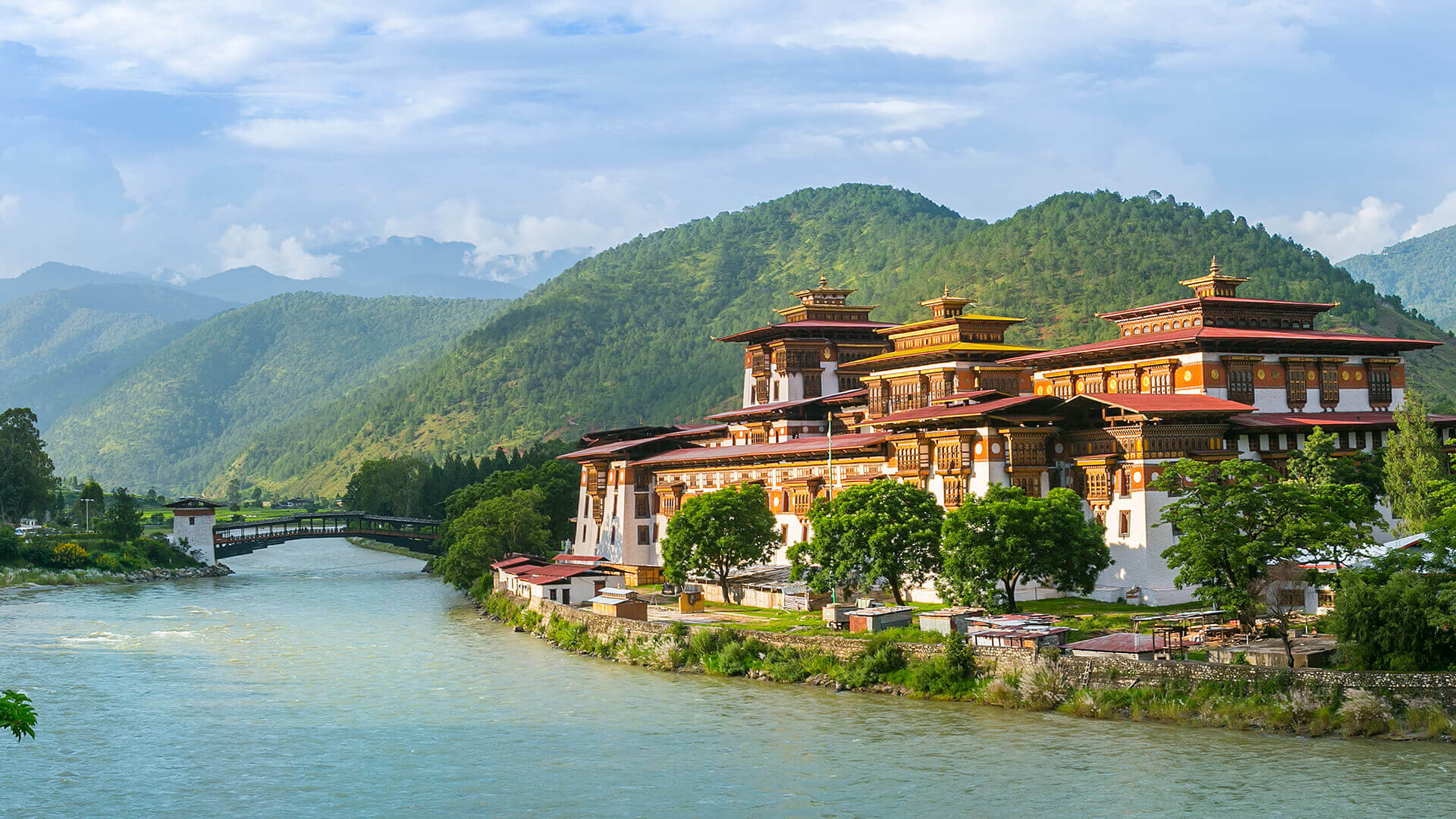
Punakha – Once the capital, this valley boasts the majestic Punakha Dzong and stunning rice terraces.
-
Phobjikha Valley – A protected habitat for the endangered black-necked cranes and a serene getaway into Bhutan’s wilderness.
-
Bumthang Valley – Often referred to as the spiritual heartland of Bhutan, this region is dotted with ancient temples and monasteries.
-
Haa Valley – A hidden gem that offers unspoiled landscapes and a deep connection to Bhutanese customs and rural life. This is one of the highlights of many Bhutan tour packages.
-
Trongsa – Famous for the massive Trongsa Dzong, this town played a key role in Bhutan’s royal history.
-
Wangdue Phodrang – Known for its picturesque dzong and diverse flora and fauna.
-
Chele La Pass – One of the highest motorable passes in Bhutan, offering panoramic views of the Himalayas and fluttering prayer flags.
-
Tang Valley – A lesser-visited corner of Bumthang, offering authentic homestays and cultural immersion.
-
Gasa – Visit the remote Gasa Dzong and soak in the healing waters of its natural hot springs.
-
Lhuntse – The ancestral home of Bhutan’s royal family and a hub for traditional weaving.
-
Trashigang – The largest district in Bhutan, rich in eastern traditions and home to the vibrant Trashigang Tsechu.
-
Mongar – A gateway to eastern Bhutan, where you can explore stunning dzongs and scenic drives.
-
Dagana – A peaceful district known for its dense forests, religious sites, and warm hospitality.
-
Zhemgang – Ideal for nature lovers, this region is one of Bhutan’s best-kept secrets for birdwatching and eco-tourism.
-
Samdrup Jongkhar – The oldest town in eastern Bhutan and a border entry point, ideal for overland journeys.
-
Chhukha – Visit the Chhukha Hydro Power Plant and explore this economically significant region.
-
Pemagatshel – A remote district known for traditional music and sacred religious festivals.
-
Tashichho Dzong – Though part of Thimphu, this fortress-monastery deserves a special mention for its architectural grandeur and political significance.
Best Time to Visit Bhutan
Bhutan is a year-round destination, but the best time to visit largely depends on what kind of experience you're seeking.
-
Spring (March to May): This is one of the most popular seasons to visit Bhutan. The weather is pleasant, skies are clear, and the valleys burst into bloom with rhododendrons and wildflowers. Ideal for trekking and sightseeing.
-
Autumn (September to November): Another prime travel season. The air is crisp, views of the Himalayas are at their clearest, and several important festivals (like Thimphu and Paro Tsechus) take place during this time. A perfect season for culture lovers and photographers.
-
Winter (December to February): Best for travelers looking for a quiet, off-the-beaten-path experience. While higher altitudes get chilly, the skies remain clear, and you can enjoy unobstructed mountain views and birdwatching in the Phobjikha Valley.
-
Summer (June to August): The monsoon season brings lush greenery and fewer tourists. While some trekking routes may be muddy or closed due to rain, this is a good time for cultural exploration at a relaxed pace and for travelers seeking solitude.
For most visitors, spring and autumn offer the best overall experience in terms of weather, festivals, and access to Bhutan’s scenic outdoors.
The land of the thunder dragon kingdom is a trekker's paradise and an environmentalist's dream. With 72 percent of the country under forest cover, Bhutan's pristine ecology is home to rare and endangered flora and fauna. This spiritual land is the last bastion of the Vajrayana school of Mahayana Buddhism which provides the essence of a unique identity for the 750,000 people
Bhutan Solo Tours
Find the perfect adventure for your travel style.
No tours available for this destination at the moment.
Helpful Tips for a Safe and Enjoyable Bhutan Tour
Traveling to Bhutan is a truly enriching experience, but a little preparation goes a long way in making your journey smooth, respectful, and memorable. Here are some essential tips to help you get the most out of your Bhutan tour:
-
Book Through Licensed Tour Operators: Independent travel isn’t permitted in Bhutan for most nationalities. Ensure your trip is arranged through a government-approved tour operator or their international partners to handle visas, guides, and logistics.
-
Respect Local Customs and Culture: Bhutanese society is deeply spiritual. Dress modestly, especially when visiting monasteries and dzongs. Always ask before taking photos of people or religious sites.
-
Carry Cash: While major towns may have ATMs and accept cards at some hotels or shops, cash (especially Bhutanese Ngultrum or Indian Rupees) is essential in rural areas.
-
Pack for Varied Weather: Bhutan’s terrain ranges from subtropical plains to alpine mountains, so pack layers. Comfortable walking shoes, rain gear, and sun protection are highly recommended.
-
Stay Hydrated and Acclimatized: Some areas are at high altitude. Drink plenty of water, rest on arrival, and consult your guide if you feel unwell.
-
Tipping is Appreciated: While not mandatory, tipping your guide, driver, and hotel staff is a kind gesture for good service.
-
Follow Environmental Etiquette: Bhutan values sustainability. Avoid plastic use, do not litter, and stick to marked trails when hiking.
If you plan to travel to Bhutan during a major festival season or trek through remote regions, it’s wise to book early and plan your route in advance to avoid missing out on limited accommodations or permits.
-
Attend a Local Festival: If possible, time your visit to coincide with a tsechu (Buddhist festival). These colorful events offer an incredible window into Bhutanese spirituality, art, and community life.
-
Use Local SIM or Roaming Cautiously: Wi-Fi is available in most hotels, but connectivity may be limited in remote areas. Buying a local SIM can be useful for navigation or emergencies.
-
Travel Insurance is a Must: Ensure your policy covers high-altitude travel, trip cancellations, and medical emergencies.
With these tips in mind, you’ll be well-prepared to enjoy Bhutan’s stunning landscapes, warm hospitality, and rich cultural heritage safely and respectfully.
Top Activities in Bhutan
A journey through Bhutan offers more than just sightseeing; it’s a deeply immersive experience filled with culture, nature, and personal discovery. Whether you’re an adventure seeker, a culture lover, or a wellness traveler, Bhutan has something unforgettable for everyone. Here are the top activities to try during your visit:
-
Hike to Tiger’s Nest Monastery (Paro Taktsang): Bhutan’s most iconic landmark, perched dramatically on a cliffside 900 meters above the Paro Valley.
-
Attend a Traditional Tsechu Festival: Witness colorful masked dances, ancient rituals, and community celebrations at one of Bhutan’s vibrant annual festivals.
-
Trek the Druk Path: A moderate trek offering stunning views of the Himalayas, ancient monasteries, and pristine alpine lakes.
-
Explore Punakha Dzong: Known as the “Palace of Great Happiness,” this fortress is one of Bhutan’s most beautiful and historically significant dzongs.
-
Enjoy a Hot Stone Bath: A traditional Bhutanese wellness practice using river stones to heat water infused with medicinal herbs — a perfect way to relax after a long day.
-
Visit the Dochula Pass: Admire panoramic views of the snow-capped Himalayas and the 108 memorial chortens built in honor of Bhutanese soldiers.
-
Learn Archery from Locals: Archery is Bhutan’s national sport. Watch a local tournament or even try your hand at it for a fun cultural experience.
-
Stroll Through Thimphu’s Weekend Market: Shop for local produce, handicrafts, textiles, and sample traditional Bhutanese snacks.
-
Explore the Sacred Phobjikha Valley: Visit during winter to see the rare black-necked cranes and take in the peaceful, misty landscapes.
-
Take a Cooking Class: Learn to prepare Bhutanese dishes like ema datshi (chili and cheese) and momo dumplings, straight from local chefs.
If you're planning a Bhutan vacation, make sure to balance your days between active adventures and moments of reflection — it’s this harmony that makes Bhutan such a unique and soul-stirring destination.
-
Meditate at a Monastery: Many monasteries offer quiet corners or even guided sessions for travelers interested in experiencing Bhutanese spirituality firsthand.
-
Visit a Traditional Farmhouse: Share a home-cooked meal, try local butter tea, and see what daily life is like in the Bhutanese countryside.
-
Go Birdwatching in Zhemgang or Bumthang: Bhutan is a birdwatcher’s paradise, home to over 700 species including hornbills, monals, and black-necked cranes.
-
Tour the National Textile Museum in Thimphu: Get an in-depth look at Bhutan’s intricate weaving traditions and national dress.
-
Cycle Through Rural Villages: Discover Bhutan off the beaten path by cycling through scenic trails and interacting with friendly locals.
-
Visit the Royal Botanical Park at Lamperi: Enjoy nature walks among rhododendron forests, orchids, and serene picnic spots.
-
Join a Monastic Ceremony: With permission, observe or take part in a daily prayer ritual — a humbling and peaceful experience.
-
Walk Across the Punakha Suspension Bridge: One of the longest in Bhutan, it offers breathtaking views over the Pho Chhu river.
-
Photograph Traditional Architecture: Bhutan’s dzongs, stupas, and homes are masterfully built, featuring carved woodwork and bright motifs.
-
Watch the Sunrise Over the Himalayas: Whether from a remote campsite or a scenic lookout like Chele La Pass, it’s a moment of awe you won’t forget.
Popular Restaurants in Bhutan
Bhutan’s culinary scene is a delightful blend of local flavors, warm hospitality, and cultural authenticity. Whether you're craving traditional Bhutanese cuisine or looking for a cozy café to relax in, here are some of the top restaurants to include in your travel plans:
-
Folk Heritage Restaurant (Thimphu)
Located near the Folk Heritage Museum, this restaurant offers a traditional Bhutanese dining experience. Signature dishes include ema datshi (chili cheese), red rice, and butter tea, served in a beautifully preserved heritage setting.
-
The Zone (Thimphu)
A casual favorite among locals and travelers, The Zone blends Bhutanese, Indian, and Western dishes in a relaxed ambiance. The burgers, momos, and curries are especially popular, and the service is warm and friendly.
-
Ambient Café (Thimphu)
This cozy café is ideal for a relaxed meal, coffee break, or quick snack. Known for its organic coffees, smoothies, sandwiches, and baked goods, it’s also a great place to mingle with locals and fellow travelers.
-
Babesa Village Restaurant (Thimphu)
Set in a 600-year-old Bhutanese house, this restaurant combines historical charm with delicious local food. Traditional seating, fire-cooked meals, and authentic dishes make it a cultural as well as culinary experience.
-
Café de Gakyil (Paro)
A stylish and modern café offering a range of international and Bhutanese options — from pizza and pasta to local delicacies. Whether you're stopping by between monastery visits or unwinding after a long day, it fits perfectly into any Bhutan travel itinerary.
-
Sonam Trophel Restaurant (Paro)
This no-frills, homestyle eatery is beloved for its hearty portions and affordable prices. Don’t miss their signature chilli cheese, pork curry, and buckwheat pancakes. It’s a great place to enjoy a comforting local meal.
-
Mountain Café (Paro)
A peaceful spot with mountain views and a welcoming atmosphere. Enjoy fresh coffee, pastries, sandwiches, and light meals. It’s a great place to recharge during your sightseeing adventures in Paro.
-
Chimi Lhakhang Cafeteria (Punakha)
Located near the famous Chimi Lhakhang (Fertility Temple), this humble eatery serves classic Bhutanese rice meals, seasonal vegetables, and local curries. It’s a perfect lunch stop during temple visits.
-
Tandin Restaurant (Phobjikha Valley)
A small, family-run place offering delicious, home-cooked meals in a cozy setting. Known for its warm hospitality and simple, satisfying dishes, it’s a favorite for travelers exploring the scenic Phobjikha Valley.
-
Olathang Restaurant (Paro)
Part of one of Bhutan’s oldest hotels, this restaurant offers buffet-style meals ideal for tour groups. The spread often includes Bhutanese specialties alongside Indian and continental options, set in a tranquil garden setting. A must visit on your Bhutan trip for sure.
Bhutan Cuisine Highlights
Bhutanese cuisine is bold, flavorful, and often spicy, centered around chilies, cheese, rice, and locally grown ingredients. While the food is influenced by neighboring countries like Tibet and India, it retains a distinct identity shaped by Bhutan’s high-altitude farming, monastic traditions, and emphasis on simplicity and balance. Tasting the local cuisine is one of the best things to do in Bhutan. Below are some of the must-try dishes to savor during your journey:
-
Ema Datshi
Bhutan’s national dish, made with chili peppers and local cheese. It’s spicy, creamy, and found at nearly every meal — a true staple of Bhutanese cuisine.
-
Kewa Datshi
A comforting stew of sliced potatoes, chilies, and cheese. It’s milder than ema datshi and often served as a side dish.
-
Shamu Datshi
Another variation of the classic, this one features mushrooms and cheese — a must-try for vegetarian travelers.
-
Phaksha Paa
This spicy pork dish cooked with red chilies, radish, and leafy greens is a flavorful highlight of any trip to Bhutan. Hearty and rich, it’s perfect for meat lovers seeking an authentic local meal.
-
Jasha Maru
A spicy chicken curry prepared with garlic, onions, tomato, and ginger. Often served with red rice, it’s lighter and more aromatic than Indian curries.
-
Sikam Paa
Sun-dried pork belly slices stir-fried with chilies and vegetables — salty, crispy, and packed with flavor.
-
Red Rice
Grown in the Paro Valley, Bhutanese red rice is semi-milled and nutty in flavor. It’s the staple carbohydrate served with almost every meal.
-
Hoentay
A cousin of momos, hoentay are buckwheat dumplings stuffed with spinach, turnip greens, and cheese. Especially popular in the Haa Valley.
-
Momos
Tibetan-style steamed dumplings filled with meat or vegetables. Served with spicy dipping sauces, they’re a popular snack or light meal.
-
Goen Hogay
A refreshing cucumber salad mixed with green chilies, coriander, onions, and local cheese — a cool contrast to the heavier main dishes.
-
Bathup
A thick, hearty noodle soup with vegetables and meat. Perfect for chilly days, especially in higher-altitude regions.
-
Puta
Buckwheat noodles stir-fried or boiled and served with meat or vegetable accompaniments — a specialty of Bumthang.
-
Lom
Preserved leafy greens, often turnip or radish leaves, dried for winter use. Cooked with meat or cheese, it's a Bhutanese comfort food.
-
Suja (Butter Tea)
Made from tea leaves, yak butter, and salt, suja is a traditional drink served at nearly every gathering or home visit in Bhutan.
-
Zow Shungo
A dish made from leftover rice and mixed vegetables — a simple yet sustainable staple in Bhutanese households.
-
Chang (Local Beer/Wine)
A traditional fermented drink made from barley, rice, or millet. It varies from region to region and is often served warm.
-
Ezay
A spicy chili paste or relish served with almost every Bhutanese meal. There are endless variations, often customized by family or region.
-
Nga Datshi
Fish cooked in cheese and chili gravy — less common but found in regions near rivers and lakes.
-
Jaju
A mild soup made with seasonal green vegetables and milk or cheese, often served at monasteries or during light meals.
-
Shakam Paa
Dried beef cooked with chilies and radish — chewy, spicy, and full of umami, it’s a favorite protein dish for locals.
Festivals and Events in Bhutan
Festivals in Bhutan are vibrant, spiritual, and deeply rooted in the country’s Buddhist heritage. Known locally as tsechus, these religious festivals are held in monasteries, dzongs (fortresses), and temples across the country throughout the year. They're not just religious observances but also major social gatherings, offering visitors a rare chance to witness traditional mask dances, music, rituals, and Bhutanese hospitality in full color.
Here are some of the most important and popular festivals and events in Bhutan:
-
Paro Tsechu (March/April)
Held in the iconic Paro Dzong, this is one of Bhutan’s biggest and most popular festivals. It features spectacular mask dances, sacred rituals, and the unveiling of the giant thangka (embroidered religious scroll) known as the thongdrel.
-
Thimphu Tsechu (September)
Celebrated in the capital city, this festival draws large crowds from across the country. Monks and laymen perform masked dances and spiritual performances to bless attendees and protect them from misfortune.
-
Punakha Drubchen and Tsechu (February/March)
A unique event that reenacts the historic battle with Tibetan forces in the 17th century. The accompanying tsechu offers traditional dances and spiritual blessings in the majestic setting of Punakha Dzong.
-
Jambay Lhakhang Drup (October/November)
Held in Bumthang, this is one of the oldest and most mystical festivals in Bhutan. Highlights include the fire blessing ceremony (Mewang) and the famous naked dance (Ter Cham) performed at midnight to subdue evil spirits.
-
Haa Summer Festival (July)
A cultural celebration of nomadic traditions, local food, sports, and crafts in the serene Haa Valley. It offers a rare opportunity to engage with Bhutanese lifestyles in a non-religious setting.
-
Black-Necked Crane Festival (November)
Celebrated in the Phobjikha Valley to honor the endangered black-necked cranes that migrate there each winter. This is one of the most unique festivals in Bhutan, combining conservation awareness with traditional performances, songs, and dances in a beautiful natural setting.
-
Talo Tsechu (March/April)
Held in the picturesque village of Talo above Punakha, this festival is known for its graceful dances, serene atmosphere, and beautifully dressed villagers.
-
Matsutake Mushroom Festival (August)
Taking place in Ura Valley (Bumthang), this event celebrates the local harvest of the prized matsutake mushroom. Visitors can join locals in mushroom picking, cooking, and cultural performances.
-
Wangdue Phodrang Tsechu (September)
Known for its vibrant dances and festive atmosphere, this tsechu was revived after a fire destroyed the original dzong. It continues to be a vital cultural event for the region.
-
Druk Wangyel Tshechu (December)
A modern festival held at Dochula Pass honors the Bhutanese military and their role in preserving peace. The backdrop of snow-capped Himalayas makes this one of the most scenic festivals in Bhutan.
Why Choose Indus Travel?
At Indus Travel, we believe that a journey should be more than just a vacation; it should be an immersive, enriching experience that stays with you for a lifetime. Our Bhutan tours are thoughtfully designed to blend cultural discovery, natural beauty, and personal comfort, all while ensuring exceptional value and service. They have almost all the best places to visit in Bhutan included in their itinerary.
Here’s why travelers choose Indus Travel to explore the Land of the Thunder Dragon:
-
Expertly Curated Itineraries: Every itinerary is crafted by regional travel specialists who understand Bhutan’s unique culture, geography, and travel requirements. Whether you're visiting for the first time or returning to dive deeper, we offer seamless experiences from arrival to departure.
-
Authentic Cultural Experiences: Our tours go beyond tourist attractions. We include meaningful interactions with local communities, traditional farm stays, and opportunities to participate in festivals or monastery visits that help you truly explore Bhutan from the inside out.
-
Small Groups, Big Experiences: Enjoy the intimacy of small group travel with like-minded explorers. Our group sizes are limited to ensure personal attention, deeper connections, and access to places large tours often miss.
-
Trusted Local Guides: Our English-speaking Bhutanese guides are knowledgeable, passionate, and dedicated to making your journey safe, insightful, and memorable.
-
Transparent Pricing: No hidden fees, no surprise costs. Our packages include accommodation, transportation, guided tours, and most meals, so you can travel with peace of mind.
With Indus Travel, you’re not just visiting a destination — you’re connecting with it. Let us help you explore Bhutan in a way that’s personal, purposeful, and unforgettable.
FAQs
1. Is Bhutan safe for solo travelers, including women?
Yes, Bhutan is considered one of the safest countries in the world. Crime rates are extremely low, and locals are welcoming and respectful. Solo travelers, including women, can explore the country comfortably, especially when part of a guided tour.
2. What type of food is served on tour?
Most tours include traditional Bhutanese cuisine, which is often spicy and vegetarian-friendly. Meals typically include rice, seasonal vegetables, meat curries, and side dishes like ema datshi. Western and Indian food options are also available in many hotels and restaurants.
3. Can I drink tap water in Bhutan?
It’s recommended to avoid drinking tap water. Most hotels and guides provide filtered or bottled water. Travelers should also use bottled water for brushing teeth.
4. Are there Wi-Fi and mobile networks in Bhutan?
Wi-Fi is available in most hotels and cafes in larger towns like Thimphu and Paro. However, connectivity can be limited or slow in remote areas. Local SIM cards are available for purchase if needed.
5. What should I wear when visiting temples and dzongs?
Dress modestly. Long pants and tops with sleeves are recommended. Avoid sleeveless shirts, short skirts, and hats when entering religious sites. Removing shoes before entering temples is required.
6. What currency should I carry?
The Bhutanese Ngultrum (BTN) is the official currency, and Indian Rupees (INR) are also widely accepted. ATMs are available in major towns, but carrying some cash is advisable for rural areas or small purchases.
7. Is tipping customary in Bhutan?
Tipping is not mandatory but is appreciated, especially for guides, drivers, and hotel staff. A small gesture for good service is welcomed and often expected on organized tours.
8. Are vaccinations required before entering Bhutan?
There are no mandatory vaccinations for Bhutan. However, routine vaccinations such as tetanus, hepatitis A & B, and typhoid are recommended. Consult your doctor or a travel clinic before departure.
9. Can I extend my stay beyond my booked tour dates?
Yes, you can extend your stay, but all travel must be booked and approved through your tour operator in advance, as independent travel is restricted. Extra nights and add-ons can often be arranged as part of Bhutan tour packages.
10. Are there any special etiquette rules I should follow?
Yes. Always walk clockwise around religious structures like stupas and prayer wheels, avoid pointing feet toward monks or religious objects, and refrain from touching the heads of locals, especially children.
11. What kind of power plugs are used in Bhutan?
Bhutan uses types D, F, and G power plugs with 230V and 50Hz. It’s a good idea to carry a universal adapter.
12. Can I use drones in Bhutan?
Drones are heavily regulated in Bhutan. You must obtain special permits from the Bhutan Civil Aviation Authority, and their use is generally restricted, especially near religious and government sites.
13. What are some offbeat experiences in Bhutan?
Beyond the popular tourist places in Bhutan, such as Paro and Thimphu, travelers can enjoy remote village walks in Haa Valley, participate in farmhouse stays, or attend lesser-known festivals in Bumthang or Trashigang for a more authentic experience.
14. Is altitude sickness common in Bhutan?
Most popular destinations like Paro, Thimphu, and Punakha are at moderate altitudes. However, treks and passes (like Dochula and Chele La) can reach higher elevations. Stay hydrated, ascend gradually, and consult your guide if symptoms occur.
15. How far in advance should I book my trip to Bhutan?
It’s best to book your Bhutan tour at least 2 to 3 months in advance, especially if traveling during peak seasons (spring and autumn). This ensures enough time for visa processing, flight bookings, and securing accommodation.