Benin
Benin Tours: Explore Ancient Kingdoms and Sacred Traditions
At a glance
-

Capital City
-

Population
-

Currency
-

Language
-

Time Zone
-

Calling Code
-

Electricity
-

Avg Temperature (Winter and Summer)
Solo Journeys to Benin
A Journey Through History
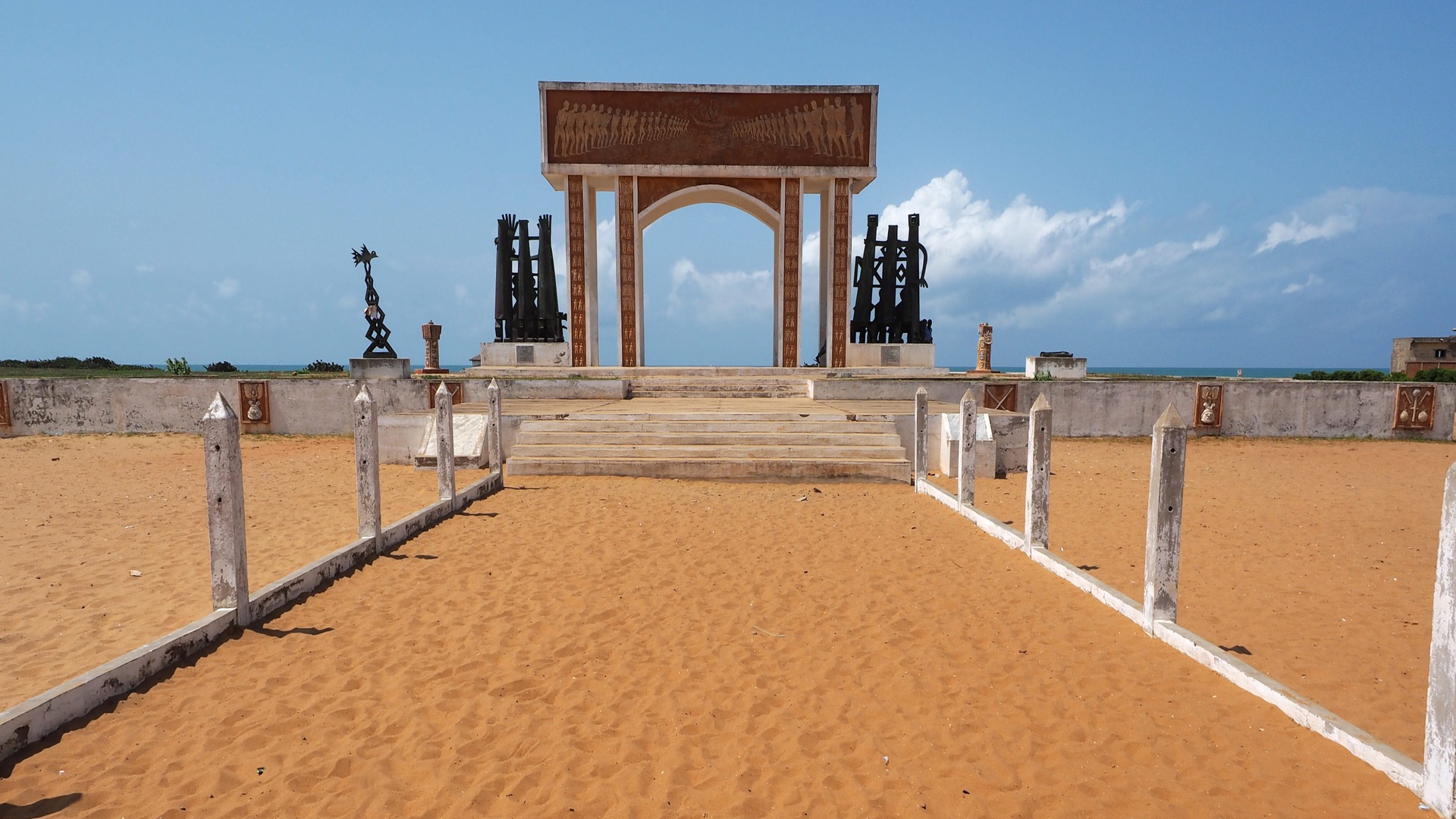
Benin’s history is deeply intertwined with the rise of the Kingdom of Dahomey in the 17th century, a powerful West African empire renowned for its military prowess, cultural achievements, and intricate governance system. The Dahomey Amazons, an all-female military regiment, are a testament to the kingdom’s unique historical narrative. During the transatlantic slave trade, Benin’s coastal towns, particularly Ouidah, became central to this dark chapter, earning the area the name “The Slave Coast.” Today, monuments like the Door of No Return and the Slave Route in Ouidah stand as poignant reminders of this era.
Following colonization by France in the late 19th century, Benin gained independence in 1960. Modern-day Benin reflects a blend of its pre-colonial, colonial, and post-independence heritage, creating a vibrant and dynamic cultural landscape.
Cultural Richness
Benin is a cultural melting pot, home to over 40 ethnic groups, including the Fon, Yoruba, Bariba, and Dendi. This diversity is celebrated through music, dance, art, and religious practices. Vodun, often misunderstood in the West, is a central aspect of Benin’s cultural identity. Vodun rituals, festivals, and temples offer an authentic glimpse into this spiritual tradition that emphasizes harmony between the physical and metaphysical worlds.
Key cultural landmarks include the Royal Palaces of Abomey, a UNESCO World Heritage site, which showcase the grandeur of the Dahomey Kingdom. Visitors can explore the intricately designed walls, artifacts, and oral histories that bring this era to life.
Natural Beauty
Benin’s landscapes range from golden beaches and lush wetlands in the south to savannahs and semi-arid regions in the north. Lake Nokoué, located near Cotonou, is famous for its stilt villages like Ganvié, often referred to as the “Venice of Africa.” This floating village offers visitors a unique experience of life on water, where houses, markets, and schools rest on stilts.
The Pendjari National Park, part of the larger W-Arly-Pendjari (WAP) Complex, is a UNESCO World Heritage site and one of West Africa’s premier wildlife reserves. The park is home to elephants, lions, cheetahs, hippos, and a rich variety of bird species, making it a must-visit for nature and safari enthusiasts.
Historical and Spiritual Landmarks
- Ouidah: This historic town is synonymous with Vodun and the transatlantic slave trade. The Temple of Pythons, a sacred site for Vodun worshippers, and the annual Vodun Festival held every January attract visitors from around the globe. The Slave Route, marked by historical monuments, leads to the poignant Door of No Return on the Atlantic coast.
- Abomey: Once the capital of the Dahomey Kingdom, Abomey’s Royal Palaces offer a glimpse into the kingdom’s rich history. The Abomey Historical Museum houses artifacts, including the infamous throne mounted on human skulls.
- Porto-Novo: The official capital of Benin, Porto-Novo is a charming city that blends Afro-Brazilian architecture with a relaxed atmosphere. The Ethnographic Museum and the Great Mosque, originally a Catholic church built by Brazilian returnees, are among its notable attractions.
Culinary Delights
Beninese cuisine is a celebration of local ingredients and flavors, offering a mix of hearty, spicy, and savory dishes. Staples include maize, millet, cassava, and yam. Popular dishes to try include:
- Amiwo: A flavorful cornmeal dish often served with tomato-based sauces and grilled chicken or fish.
- Pounded yam with egusi soup: A hearty combination of yam and a melon seed-based soup, often enriched with vegetables and meat.
- Grilled fish and seafood: Particularly popular along the coast, seasoned and grilled fish is served with rice, fried plantains, or a spicy pepper sauce.
- Akpan: A refreshing fermented corn and millet drink.
Festivals and Celebrations
Benin’s vibrant festivals offer an opportunity to immerse yourself in the country’s rich traditions. The annual Vodun Festival in Ouidah is a colorful celebration of Benin’s spiritual heritage, featuring rituals, dances, and ceremonies. The Gelede Festival, recognized by UNESCO, showcases elaborate masks and performances that honor the roles of women in society. National Independence Day, celebrated on August 1st, is another major event marked by parades, music, and community gatherings.
Travel Tips
- Language: French is the official language, but many local languages such as Fon, Yoruba, and Bariba are widely spoken.
- Currency: The West African CFA franc (XOF) is the official currency.
- Climate: Benin has a tropical climate with two rainy seasons (April-July and September-November) and two dry seasons (December-April and July-September).
- Health: Travelers should ensure they have vaccinations for yellow fever, hepatitis A, and typhoid. Malaria prophylaxis is highly recommended.
- Transportation: Public transport includes buses, shared taxis, and motorcycle taxis (zemidjans). Roads in major cities are well-maintained, but rural areas may have challenging conditions.
Hospitality and Accommodation
Benin’s hospitality industry caters to a wide range of travelers. In cities like Cotonou, Porto-Novo, and Ouidah, you’ll find a mix of luxury hotels, boutique lodges, and budget-friendly guesthouses. Eco-lodges and community-based accommodations in rural areas offer unique experiences for those seeking a deeper connection with nature and local traditions.
Benin Solo Tours
Find the perfect adventure for your travel style.
No tours available for this destination at the moment.
FAQs
1. What are the top things to do in Benin?
Benin offers a rich tapestry of cultural, historical, and natural attractions that make it a must-visit destination in West Africa. Here’s an elaboration of the top activities:
- Visit Ganvié, the "Venice of Africa"
Ganvié is a fascinating stilt village located on Lake Nokoué, near Cotonou. Built by the Tofinu people to escape slavers during the 16th century, it is now a thriving community with over 20,000 inhabitants. Visitors can enjoy a serene boat ride through the village, observing the daily life of locals, including fishing and market activities conducted from canoes. The village offers a unique glimpse into an ingenious way of life that has endured for centuries.
- Explore Pendjari National Park
Pendjari National Park is one of West Africa’s most renowned wildlife reserves. It is part of the larger W-Arly-Pendjari (WAP) Complex, a UNESCO World Heritage Site. Known for its diverse ecosystems, the park is home to elephants, lions, cheetahs, hippos, and over 400 species of birds. Safari tours allow visitors to witness these animals in their natural habitat while exploring the park’s breathtaking landscapes, including savannahs, wetlands, and rolling hills.
- Discover the Royal Palaces of Abomey
The Royal Palaces of Abomey are a UNESCO World Heritage Site that preserves the legacy of the powerful Dahomey Kingdom (1625–1900). These palaces served as residences for 12 kings, each of whom added structures and artifacts, creating a layered history within the site. Visitors can explore the museums within the palaces, which house treasures, including intricate thrones, weaponry, and ceremonial art. The palaces are an excellent place to understand Benin’s regal past and the influence of its kings.
- Walk the Route of Slaves in Ouidah
Ouidah, once a major hub in the transatlantic slave trade, offers a somber yet essential journey into history. The Route of Slaves stretches 4 kilometers, beginning at the historical Slave Market and ending at the Door of No Return on the Atlantic coast. Along the route, monuments and memorials provide insights into the human suffering and resilience of those affected by the slave trade. The site serves as a place of remembrance and reflection for visitors.
- Enjoy the Voodoo Festival
Benin is widely regarded as the birthplace of voodoo, a spiritual tradition with deep cultural significance. The annual Voodoo Festival, held every January 10th, is a vibrant celebration featuring traditional music, dance, rituals, and costumes. The festival attracts both locals and international visitors to cities like Ouidah, where ceremonies are held to honor deities and ancestors. Participating in the festival offers an immersive experience into the spiritual and cultural fabric of Benin.
These activities reflect the diverse offerings of Benin, from its breathtaking natural landscapes to its deeply rooted history and unique traditions.
2. Is Benin safe for tourists?
Benin is generally safe for tourists, but as with any destination, travelers should stay vigilant, avoid walking alone at night, and be cautious in crowded areas to prevent petty theft.
3. What is the best time to visit Benin?
The ideal time to visit is during the dry season, from November to February, when the weather is cooler, and wildlife viewing in parks like Pendjari is at its best.
4. What languages are spoken in Benin?
French is the official language, but many locals also speak indigenous languages like Fon, Yoruba, and Bariba. Learning basic French phrases can greatly enhance your travel experience.
5. What are the visa requirements for US and Canadian citizens?
Citizens of the United States and Canada need a visa to enter Benin. Here are the key details:
- Visa Application: Applications can be made online via the official e-visa portal or at a Beninese embassy or consulate.
- Types of Visas: Options include single-entry and multiple-entry visas, typically valid for 30 or 90 days.
- Processing Time: The e-visa is usually processed within 24–72 hours.
- Required Documents: A valid passport (with at least six months of validity), a completed application form, proof of accommodation, and sometimes a return ticket or travel itinerary.
- Vaccination Requirement: Proof of yellow fever vaccination is mandatory for entry.
It is always recommended to check the latest requirements on official government websites before traveling.